Key Takeaways
Coinbase, Kraken, Gemini, and Crypto.com lead the US exchange market.
Chainalysis, Fireblocks, Ripple, and Consensys power crypto infrastructure.
Anchorage, BitGo, Coinbase Custody, and Fidelity serve institutional custody needs.
Circle, PayPal, Stripe, and Block integrate crypto into payments and fintech.
Uniswap, OpenSea, Alchemy, and Aave drive DeFi and Web3 innovation.
In the US, leadership in crypto is not only about scale or brand recognition. It comes down to which companies have been able to grow while handling the regulatory complexity that comes with financial services.
These firms operate across different segments, from trading platforms and custodians to infrastructure and fintech, each contributing to how digital assets move through the system.
In the US, regulatory expectations are fragmented across multiple agencies, including the SEC, CFTC, and FinCEN, as well as state-level regimes. As a result, companies that succeed here tend to combine technical innovation with disciplined compliance and operational structure.
This article organizes the top crypto companies in the US by category, focusing on what they do, why they are considered leaders, and how they differentiate themselves. It also provides practical context for evaluating these companies beyond surface-level metrics.
At InnReg, we help crypto companies and fintechs navigate US regulatory requirements. From licensing and registration to building and managing compliance programs, our team supports firms operating across exchanges, custody, payments, and Web3.

How We Selected the Top Crypto Companies in the US
We assessed each company using a mix of business and compliance considerations.
Regulatory positioning: Licenses, registrations, and overall approach to US oversight
Product scope: Core offerings such as trading, custody, payments, or infrastructure
Market presence: User base, institutional adoption, and geographic reach
Operational maturity: Internal controls, governance, and ability to scale
Innovation: New products or models that expand how crypto is used
These criteria matter because scale without structure often creates risk, especially in a regulated financial environment. Many companies grow quickly, but fewer build systems that can withstand regulatory scrutiny over time.
Crypto companies don't all do the same thing. They operate across very different parts of the financial system, so lumping them into one list usually muddies the picture, particularly when you’re trying to figure out where each one sits in the market.
We organized the top crypto companies in the US into the following categories:
Category | What It Covers | Typical Activities |
|---|---|---|
Exchanges | Retail and institutional trading platforms | Buying, selling, and holding crypto |
Infrastructure | Backend systems and tools | Wallets, APIs, blockchain development |
Custody and Institutional | Safekeeping and institutional services | Qualified custody, asset protection |
Payments and Fintech | Crypto-enabled financial services | Stablecoins, payments, integrations |
DeFi and Web3 | Decentralized applications and platforms | Protocols, marketplaces, on-chain services |
Top Crypto Exchanges in the US
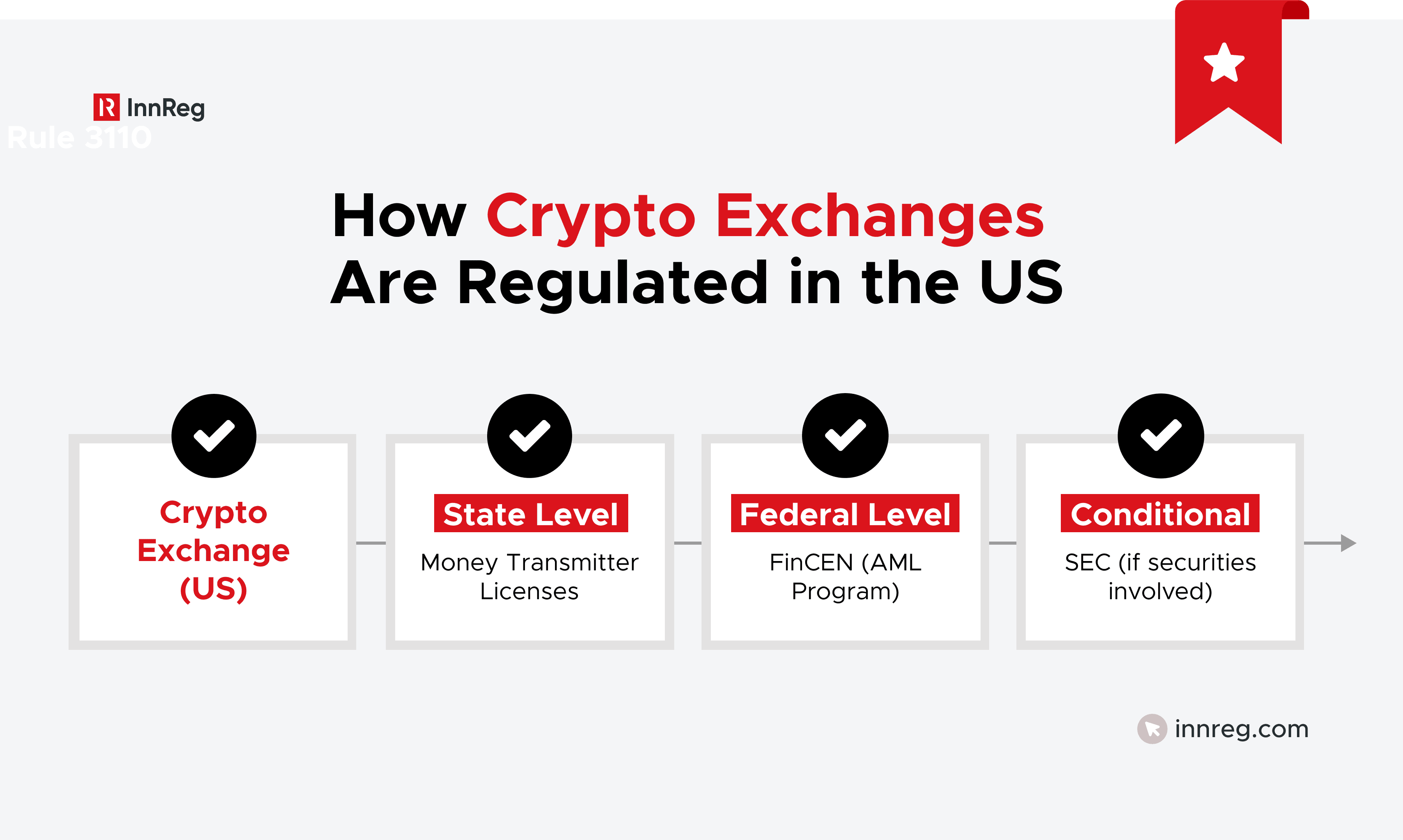
Crypto exchanges sit at the center of the market, but in the US, regulation shapes much of what they can do. Running an exchange is about more than matching buyers with sellers. Firms have to deal with money transmitter licensing, keep up AML programs, and work out whether any piece of what they do crosses into securities territory.
Top crypto exchanges in the US include:
Coinbase
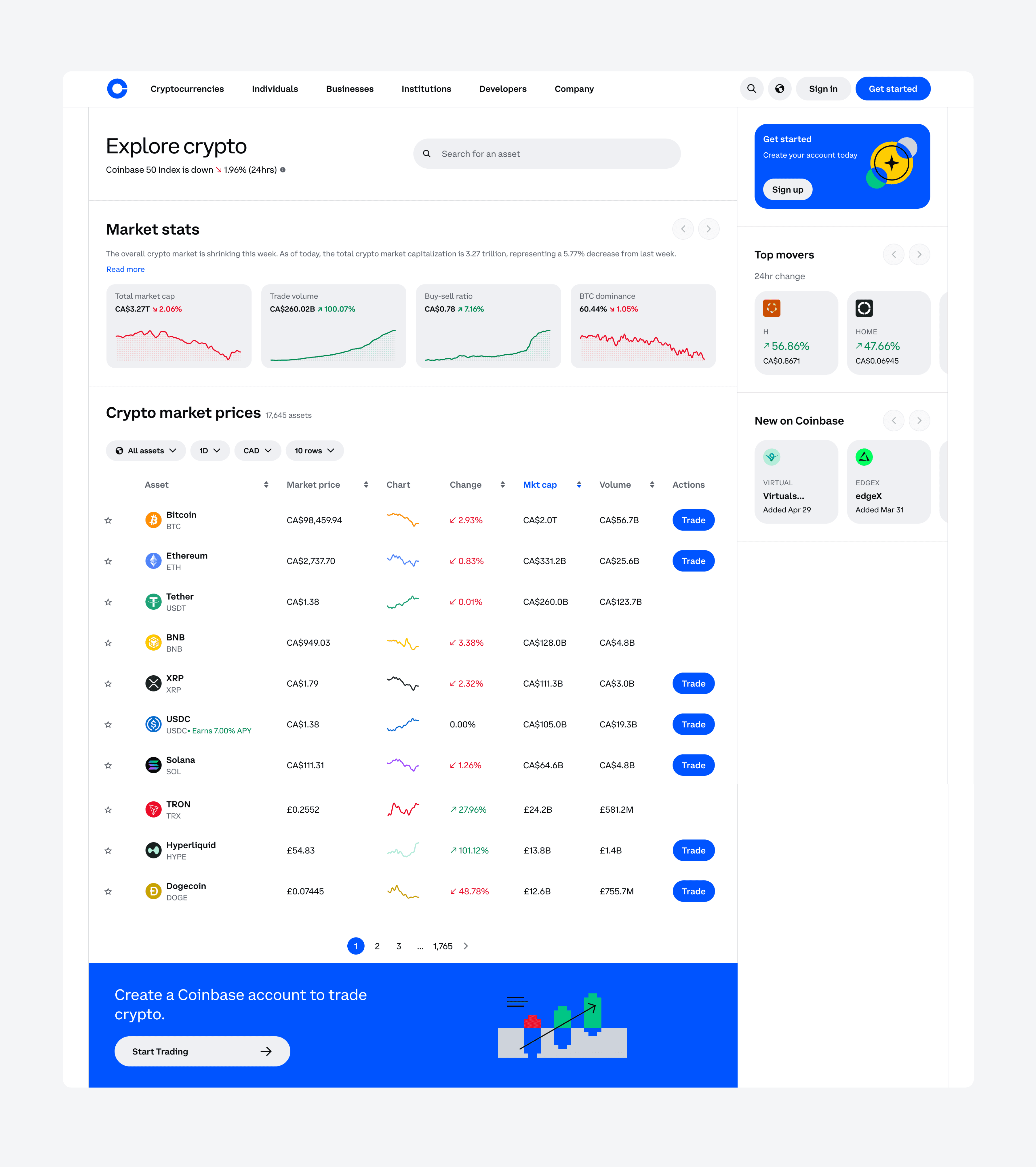
Coinbase is a US-based crypto platform that provides trading, custody, and institutional services. In addition to its retail exchange, the company offers solutions such as Coinbase Prime and Coinbase Custody to support institutional clients.
In terms of regulatory structure, Coinbase is registered as a Money Services Business (MSB) with FinCEN and holds licenses across multiple states. Its status as a publicly traded company subjects it to SEC reporting obligations, which introduce a higher level of disclosure compared to most crypto firms. As a result, Coinbase operates under a combination of federal, state, and public market oversight.
The company’s distinction lies in its scale and service range. It has built a large retail platform while expanding into institutional markets, including custody and execution. This combination of reach and infrastructure has made Coinbase a benchmark for regulated crypto platforms in the US.
Kraken
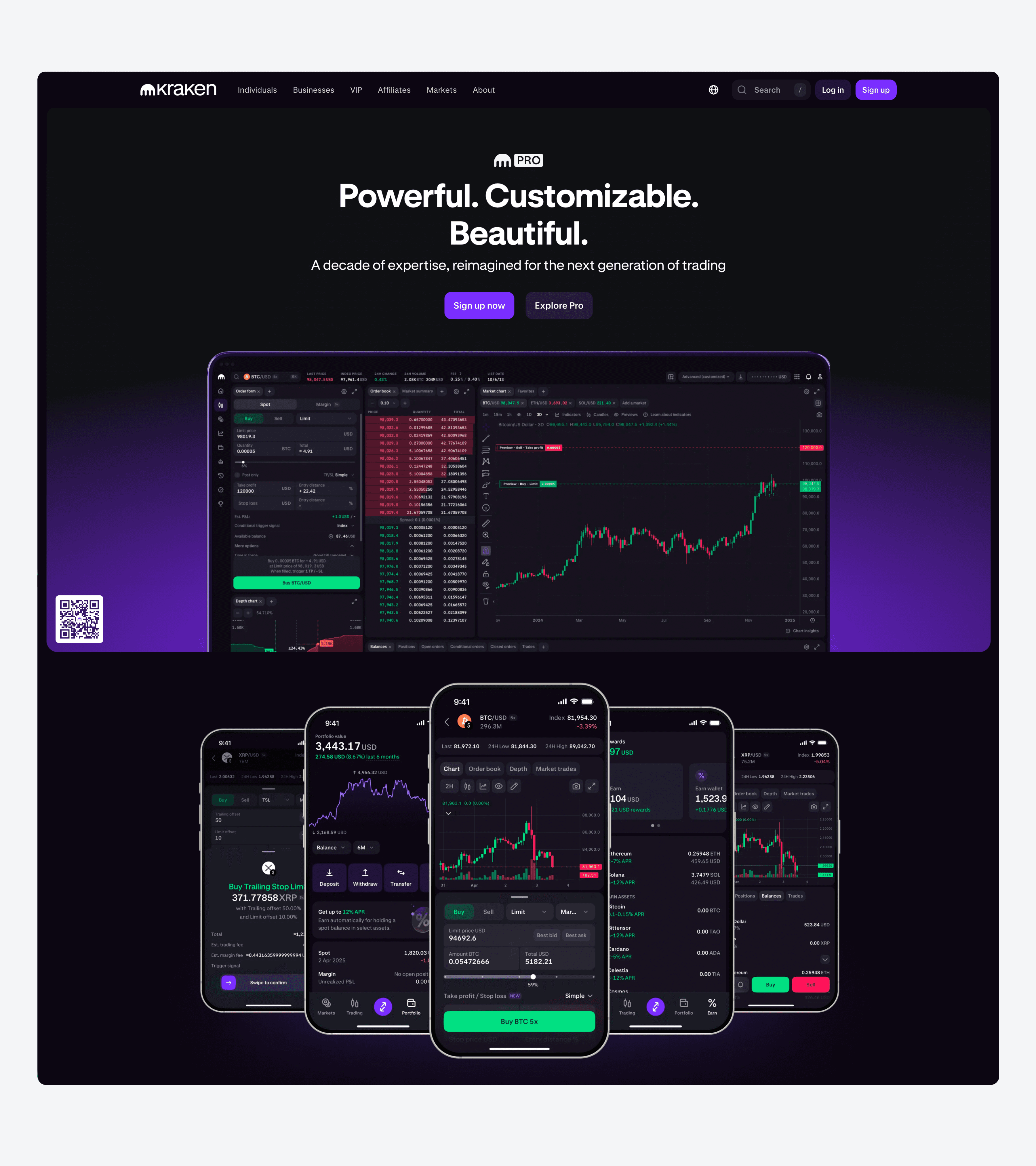
Kraken is one of the more mature crypto exchanges in the US, offering spot and derivatives trading along with institutional services. It supports a broad set of digital assets and has focused on maintaining strong security standards.
On the regulatory front, Kraken runs on FinCEN registration and state-level money transmitter licensing. It has also gone after a Wyoming SPDI charter, which is meant to pull crypto custody and related services closer to a banking framework. That tells you something about its appetite for operating inside more formal regulatory structures.
What makes Kraken different is the depth of its product line and how it positions itself with regulators. It has kept serving both retail and institutional users while testing structures that bridge crypto and traditional finance. Going after alternative paths like the SPDI model is what separates it from a lot of other US exchanges.
Gemini
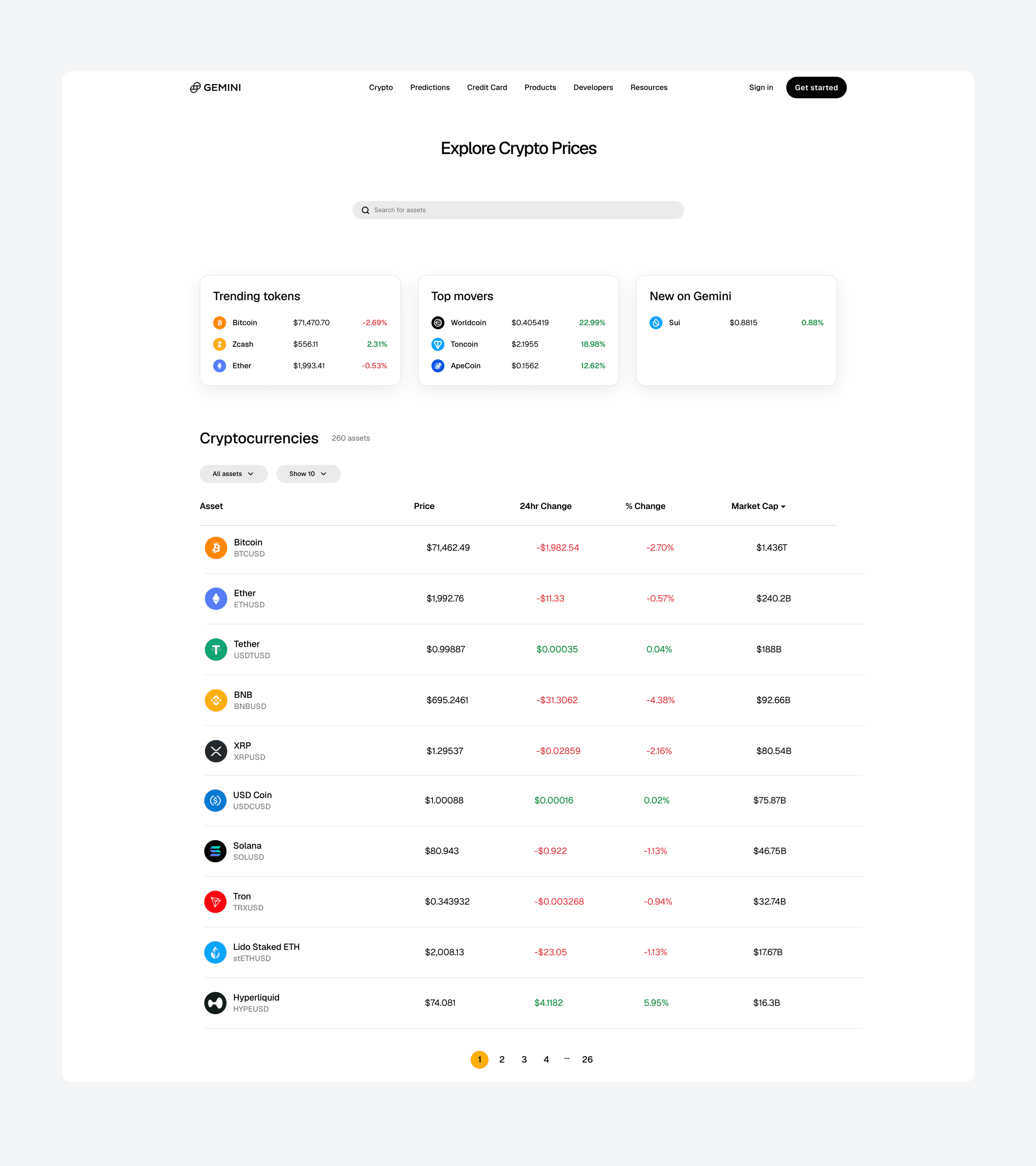
Gemini is a US-based crypto platform that offers trading, custody, and staking-related services. It was established with a clear focus on operating within regulatory frameworks, targeting both retail and institutional clients.
On the regulatory side, Gemini answers to the New York Department of Financial Services and holds a BitLicense. It's also registered with FinCEN and meets the state requirements that apply to it. That puts Gemini in one of the tightest regulatory environments any crypto firm in the US has to work within.
What sets it apart is a steady focus on compliance and governance. The company has been more deliberate about how it expands its products, keeping the emphasis on staying aligned with what regulators expect. That approach has made Gemini a more conservative operator than a lot of its competitors.

Crypto.com
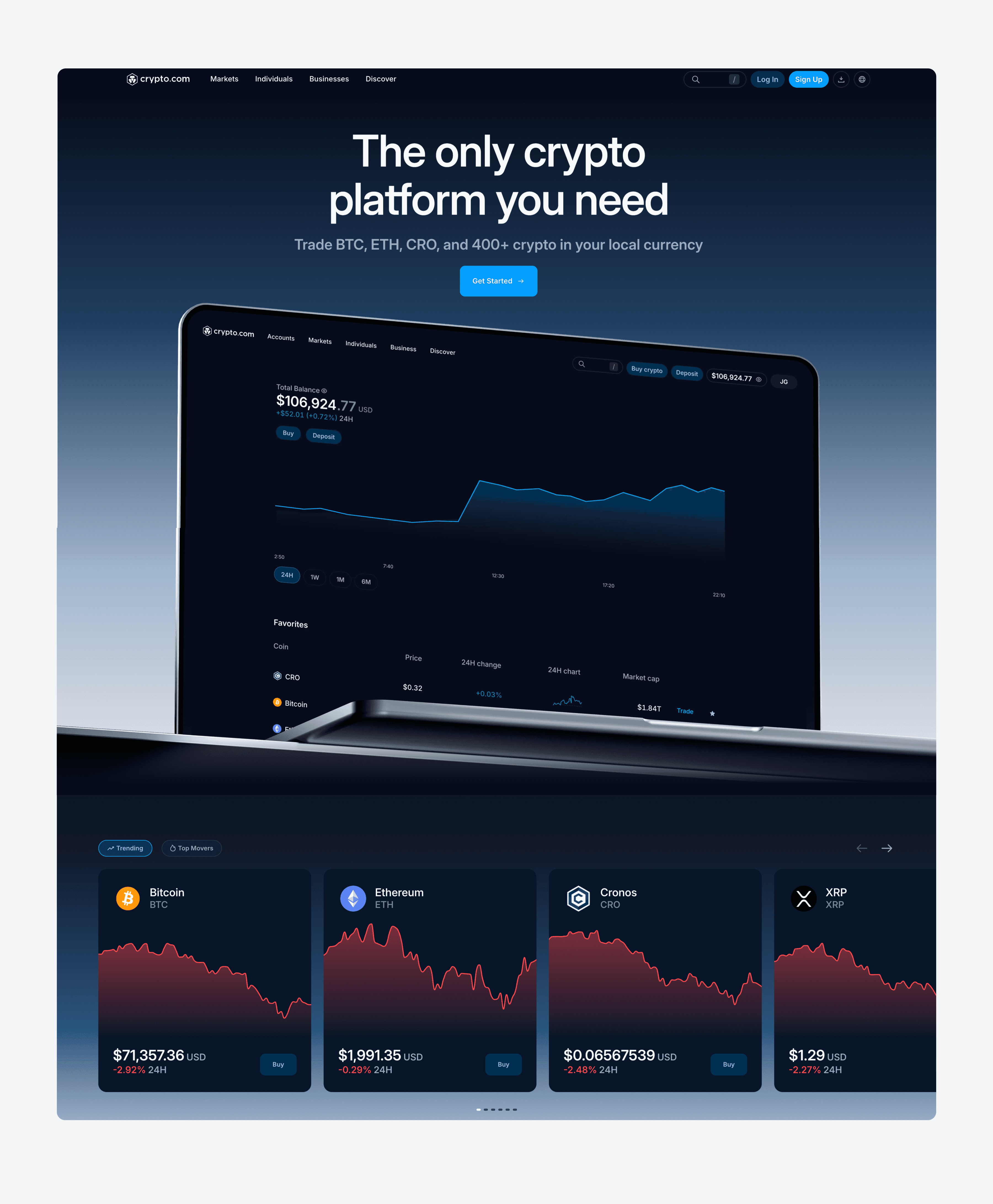
Crypto.com is a multi-product crypto platform that offers trading, payments, and card-based services, with a growing presence in the US. Its business model is built around combining digital asset functionality with broader financial services.
In the US, the company operates under FinCEN registration and works within state-level licensing requirements. Its structure often involves local entities or partnerships to align with regulatory expectations. This highlights the need for tailored operating models when entering the US market.
The company’s differentiation lies in its product range. By integrating trading with payments and card programs, Crypto.com extends crypto usage into everyday financial activity.
Robinhood Crypto
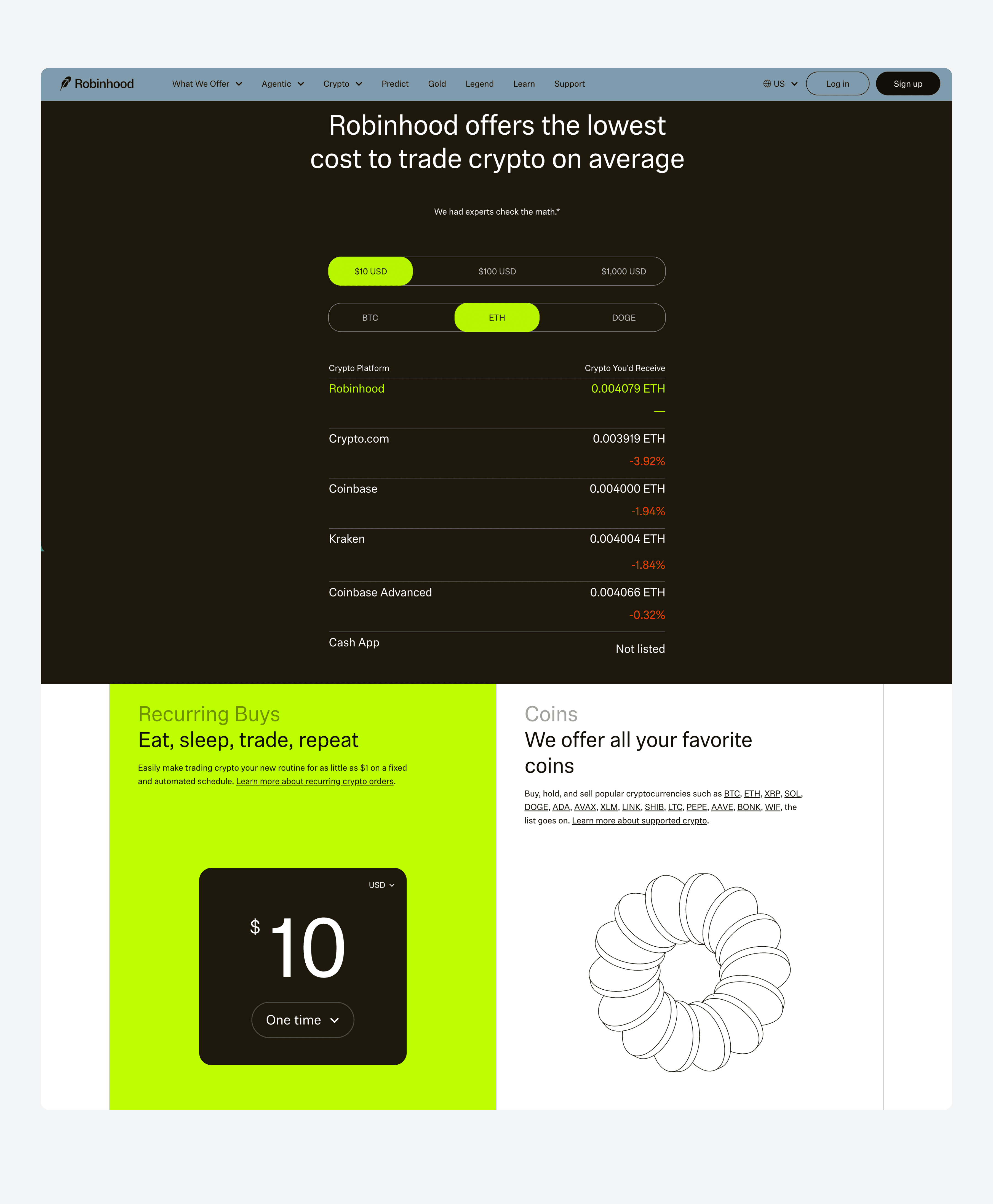
Robinhood Crypto is part of the broader Robinhood ecosystem, where equities, options, and digital assets are offered within the same platform. Instead of operating as a separate exchange, its crypto services are built into a traditional brokerage experience.
From a regulatory perspective, Robinhood separates its brokerage and crypto activities. The brokerage operates under SEC and FINRA oversight, while crypto services are handled through entities registered with FinCEN and subject to state money transmission laws. This setup illustrates how crypto can be incorporated into an existing regulated brokerage structure while keeping compliance obligations distinct.
What makes Robinhood different is its reach. By integrating crypto trading into an already popular brokerage app, the company introduced digital assets to a much broader group of retail investors than most crypto-native platforms have been able to reach on their own.
See also:
Top Crypto Infrastructure Companies
Crypto infrastructure companies operate in the background, providing the systems that exchanges, fintechs, and institutions rely on to build and run crypto products. This includes wallets, APIs, custody infrastructure, and transaction monitoring tools that support day-to-day operations.
They aren't always customer-facing, but their services still touch key regulatory areas like AML, custody, and sanctions. These firms are foundational to how compliant crypto platforms get built, which is why the companies below show up across so much of the industry.

Need help with blockchain compliance?
Fill out the form below and our experts will get back to you.
Ripple
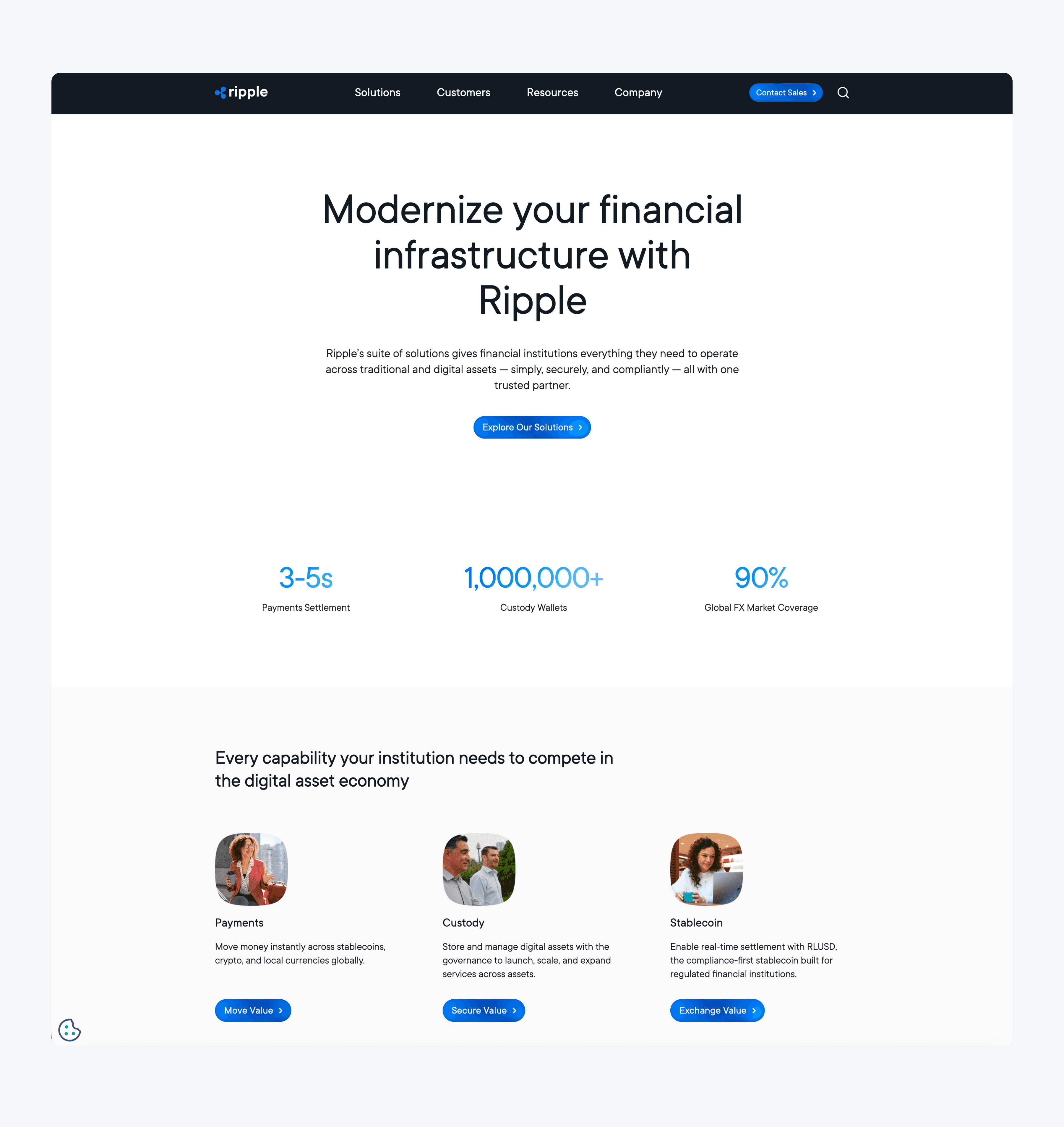
Ripple is a US-based blockchain company focused on improving cross-border payments for financial institutions. Its products are designed to facilitate faster settlement and liquidity management, primarily for banks and payment providers rather than retail users.
On the regulatory side, Ripple has been at the center of the debate over how digital assets get classified in the US. Its activities drew SEC enforcement, especially around how XRP should be treated. That fight put Ripple at the forefront of how regulators approach crypto assets in practice.
What sets Ripple apart is its institutional focus. Instead of running consumer-facing platforms, it builds the infrastructure behind payments and settlement. Serving as a bridge between traditional financial systems and blockchain networks is what distinguishes it from many crypto companies.
Consensys
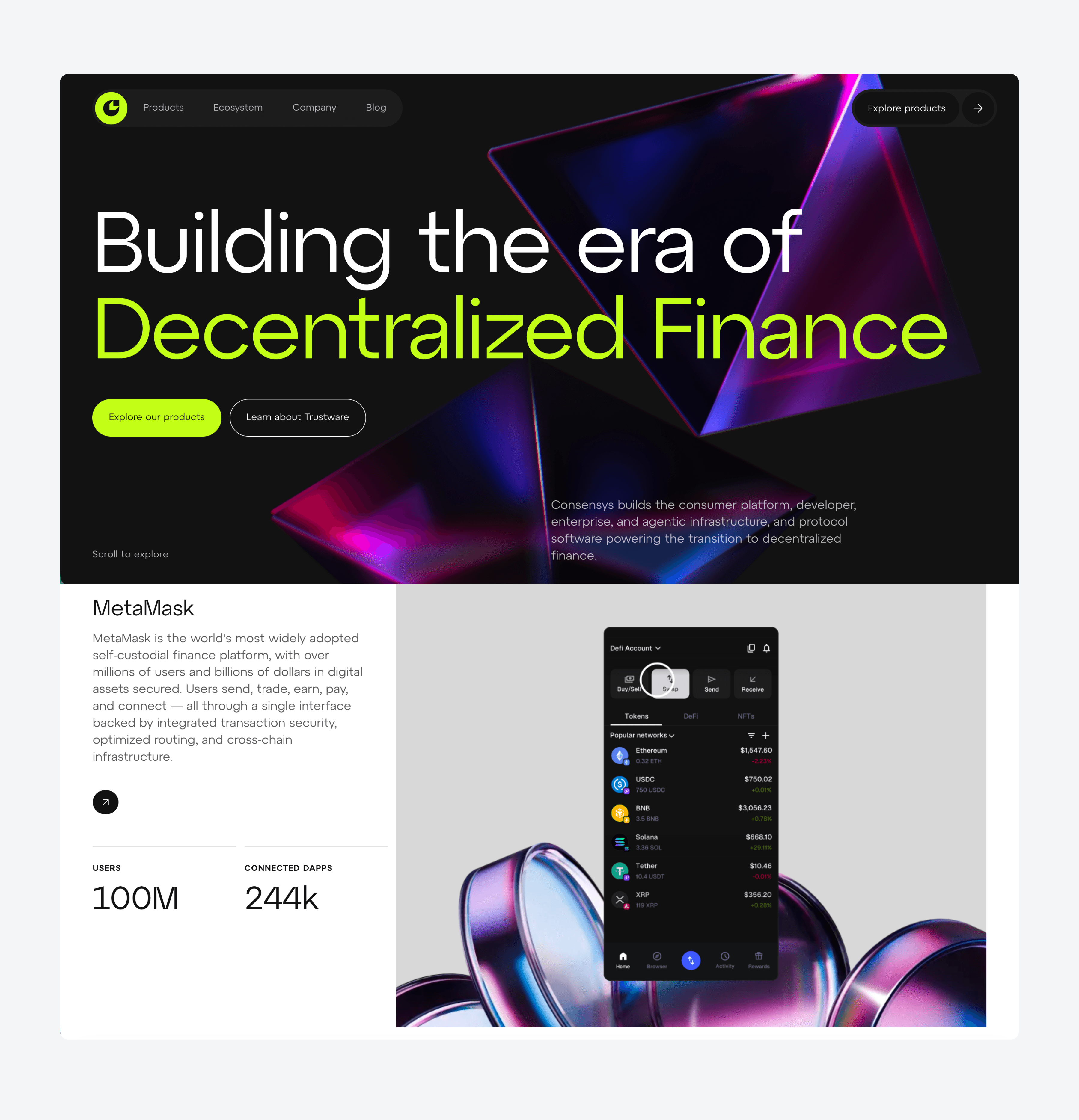
Consensys is a US-based blockchain software firm that focuses on tools and infrastructure for the Ethereum ecosystem. Its products include widely used applications like MetaMask, along with developer solutions for building and deploying smart contracts.
From a regulatory standpoint, Consensys operates in a segment that is not as directly tied to licensing as exchanges, but still connects to key compliance areas. Its products can involve wallet services, transaction routing, and access to decentralized applications, which introduces considerations around AML exposure, sanctions controls, and expectations for wallet providers.
That puts Consensys in the middle of a broader regulatory conversation: how should infrastructure providers be treated when they’re not acting like traditional exchanges, but still help users access and move through the crypto ecosystem?
Its differentiation comes from enabling Web3 development. Instead of offering trading or custody, Consensys provides the tools that support interaction with blockchain networks, making it a core part of the Ethereum ecosystem.

Chainalysis

Chainalysis is a US-based blockchain analytics firm that develops tools for tracking and analyzing crypto transactions. Its software is widely used by financial institutions, crypto platforms, and government agencies to monitor activity on public blockchains.
From a regulatory standpoint, Chainalysis operates closely alongside AML and financial crime requirements. Its products support transaction monitoring, sanctions checks, and investigative processes tied to digital assets. This positions the company as a key player in how compliance is applied to blockchain activity.
Its differentiation comes from its focus on data and visibility. Instead of moving assets, Chainalysis provides insight into transaction flows, making it a core part of compliance infrastructure across the crypto sector.
Fireblocks
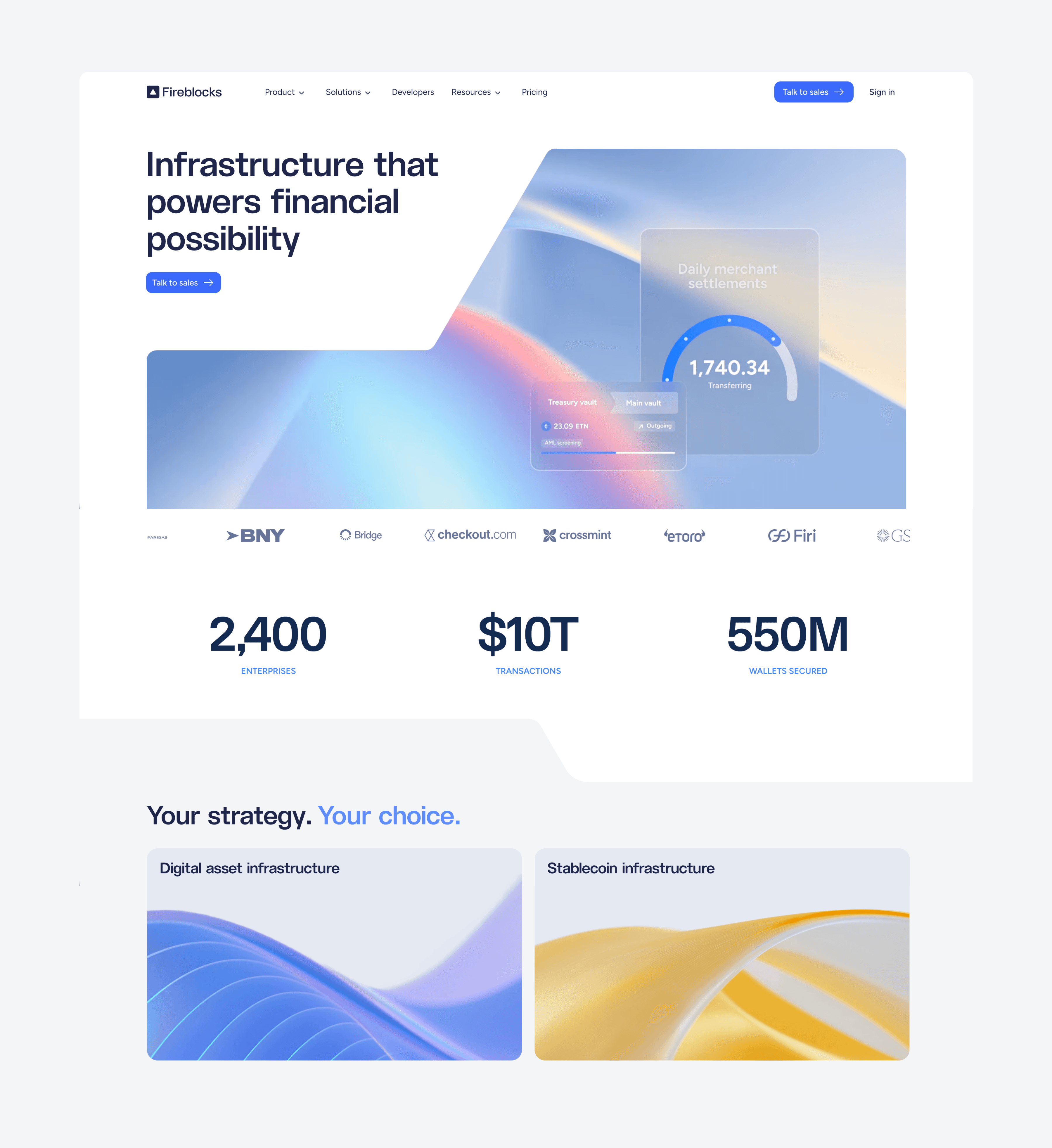
Fireblocks is a US-based infrastructure company that provides technology for securing, transferring, and managing digital assets. Its platform is used by financial institutions, exchanges, and fintech firms to handle custody and transaction workflows.
From a regulatory perspective, Fireblocks operates close to custody and operational risk frameworks. Its technology supports key control areas such as key management, transaction authorization, and internal governance processes. This places Fireblocks within the operational layer that supports how firms meet custody expectations and safeguard client assets.
What sets the company apart is its focus on institutional-grade infrastructure. Fireblocks is not itself a custodian or exchange. Instead, it provides the underlying technology that other firms use to carry out those functions securely and at scale. That positioning has made Fireblocks an important part of the infrastructure behind many regulated crypto operations at scale.
Top Crypto Custody and Institutional Firms
Custody and institutional providers focus on safeguarding digital assets and supporting large-scale market participants. Their role is distinct from exchanges and infrastructure providers. These firms handle asset storage, execution support, and governance functions for institutions such as asset managers, funds, and fintech companies.
From a regulatory standpoint, custody is one of the most sensitive areas in all of crypto. Depending on how a firm is set up, the requirements can pull in SEC custody rules, banking frameworks, and state-level trust structures. How assets are held, controlled, and reported sits at the heart of what regulators care about when institutions get involved in crypto.
Custody Model | Regulatory Layer | Example Firms |
|---|---|---|
Trust Company | State-level trust regulation | BitGo |
Bank Charter | OCC / Federal banking | Anchorage |
Integrated Platform | Hybrid (exchange + custody) | Coinbase Custody |
Traditional Finance Extension | Existing frameworks | Fidelity Digital Assets |
The companies in this category stand out because they operate at the intersection of custody, compliance, and institutional finance:
Anchorage Digital
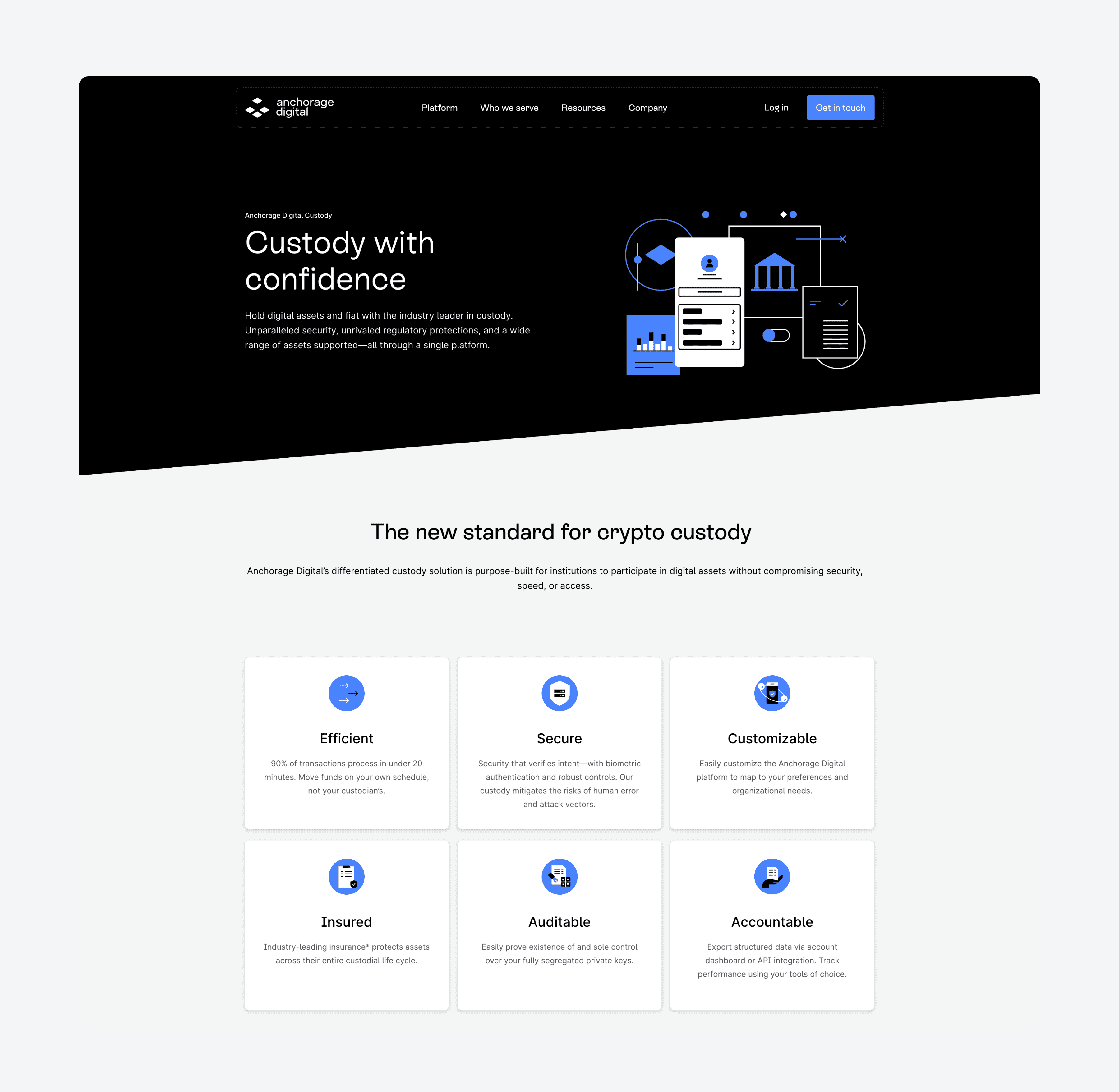
Anchorage Digital focuses on providing custody and financial services for institutional clients, including asset managers and fintech companies. Its platform supports custody, staking, trading, and governance functions.
It holds a federal bank charter from the OCC, which lets it operate as a national trust bank under banking supervision. That puts Anchorage in a more regulated category than most crypto custody firms.
The company differentiates itself through its regulatory status and institutional focus. By combining custody with a bank charter, Anchorage bridges digital asset services with traditional financial regulation, making it a key option for firms seeking regulated infrastructure in the US crypto market.
See also:
BitGo
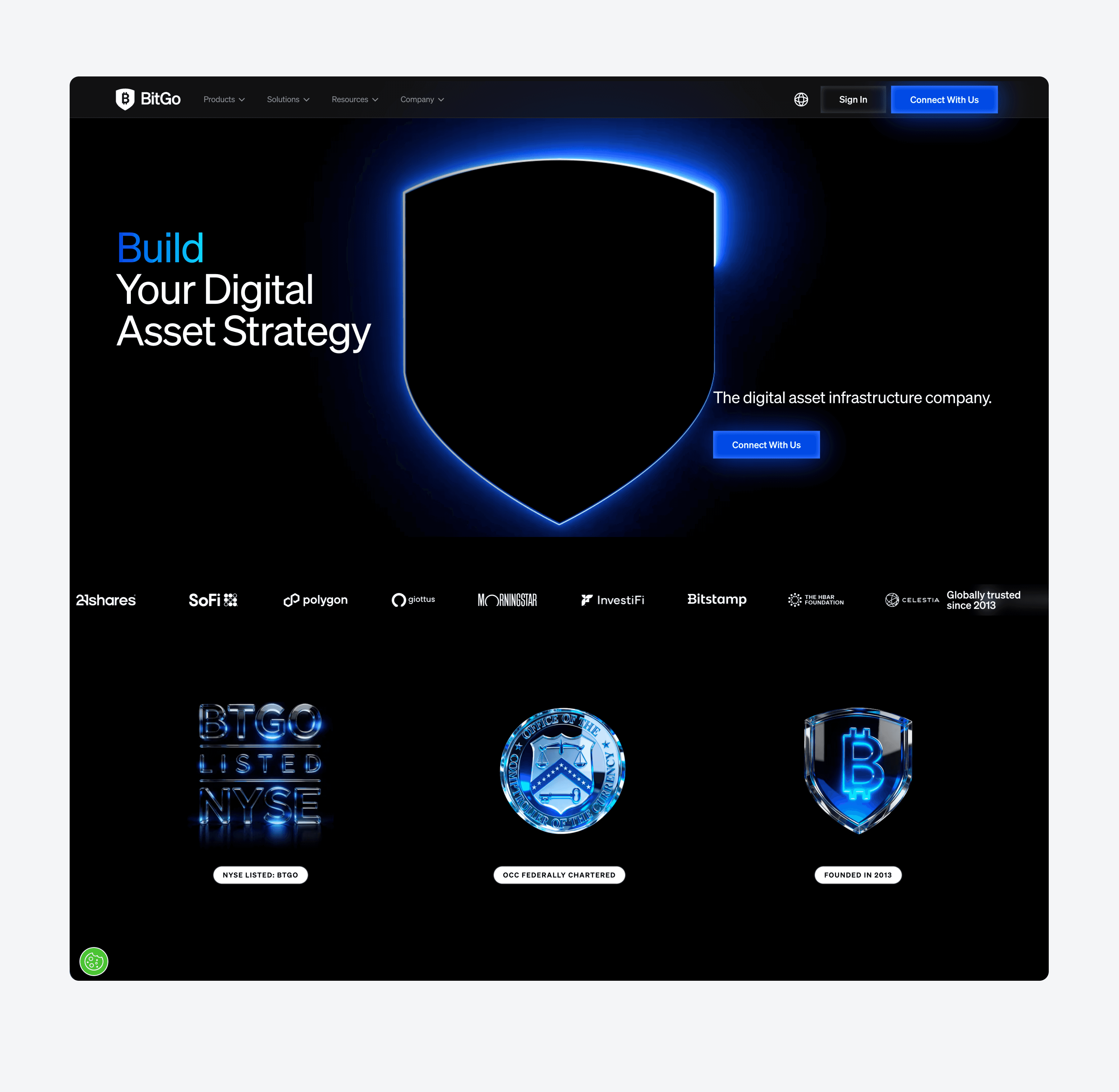
BitGo provides custody, wallet infrastructure, and prime-style services for institutional clients in the US. Its platform supports asset storage, transaction processing, and liquidity access.
It operates through regulated entities, including trust company structures, and is registered with FinCEN. The firm also complies with state-level requirements where applicable. This structure supports a regulated custody model used by institutional participants.
The company differentiates itself through its focus on custody combined with execution and financing services. Rather than offering only storage, BitGo integrates custody with trading and lending capabilities, positioning itself closer to a prime services provider for digital assets.

Coinbase Custody

Coinbase Custody focuses on institutional asset storage. It’s used by funds, asset managers, and other large participants, and runs independently from the retail exchange, with cold storage and governance features built in.
The service is structured to meet qualified custody expectations, operating through regulated entities such as trust companies. This aligns with US requirements around asset control and safekeeping.
Its key distinction is integration. Clients can access custody alongside trading and execution within the Coinbase platform.
Fidelity Digital Assets
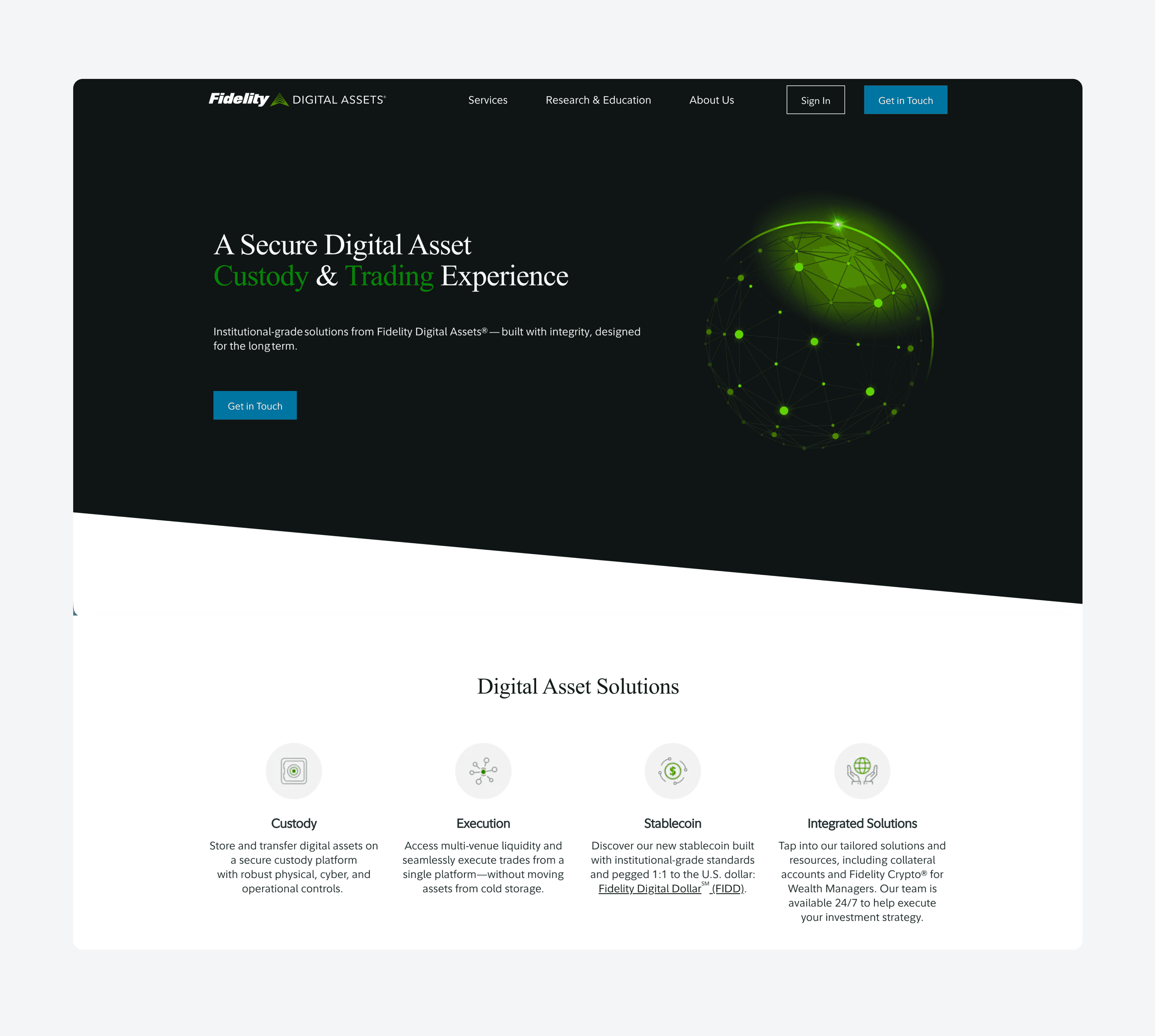
Fidelity Digital Assets operates as a division of Fidelity Investments, a large US financial institution. It focuses on providing custody and execution services for digital assets, with a client base that includes asset managers, hedge funds, and family offices.
From a regulatory standpoint, the business builds on Fidelity’s existing financial services infrastructure. Its services are designed to fit within established expectations around governance, reporting, and risk oversight. This places Fidelity Digital Assets closer to traditional finance than many crypto-native providers.
The company differentiates itself through its legacy and institutional credibility. Rather than building from a crypto-native model, it brings existing financial market infrastructure and operational discipline into the digital asset space, making it a relevant option for institutions entering crypto through familiar structures.
Top Crypto Payment and Fintech Companies
Payment and fintech companies are bringing crypto into everyday financial products. They are adding digital assets to merchant services, payment flows, and consumer apps, often alongside traditional payment systems.
Because of that, they usually operate across several regulatory frameworks at once. Depending on the business model, that can include money transmission rules, AML obligations, and, in some cases, banking or payment-specific requirements.
Circle
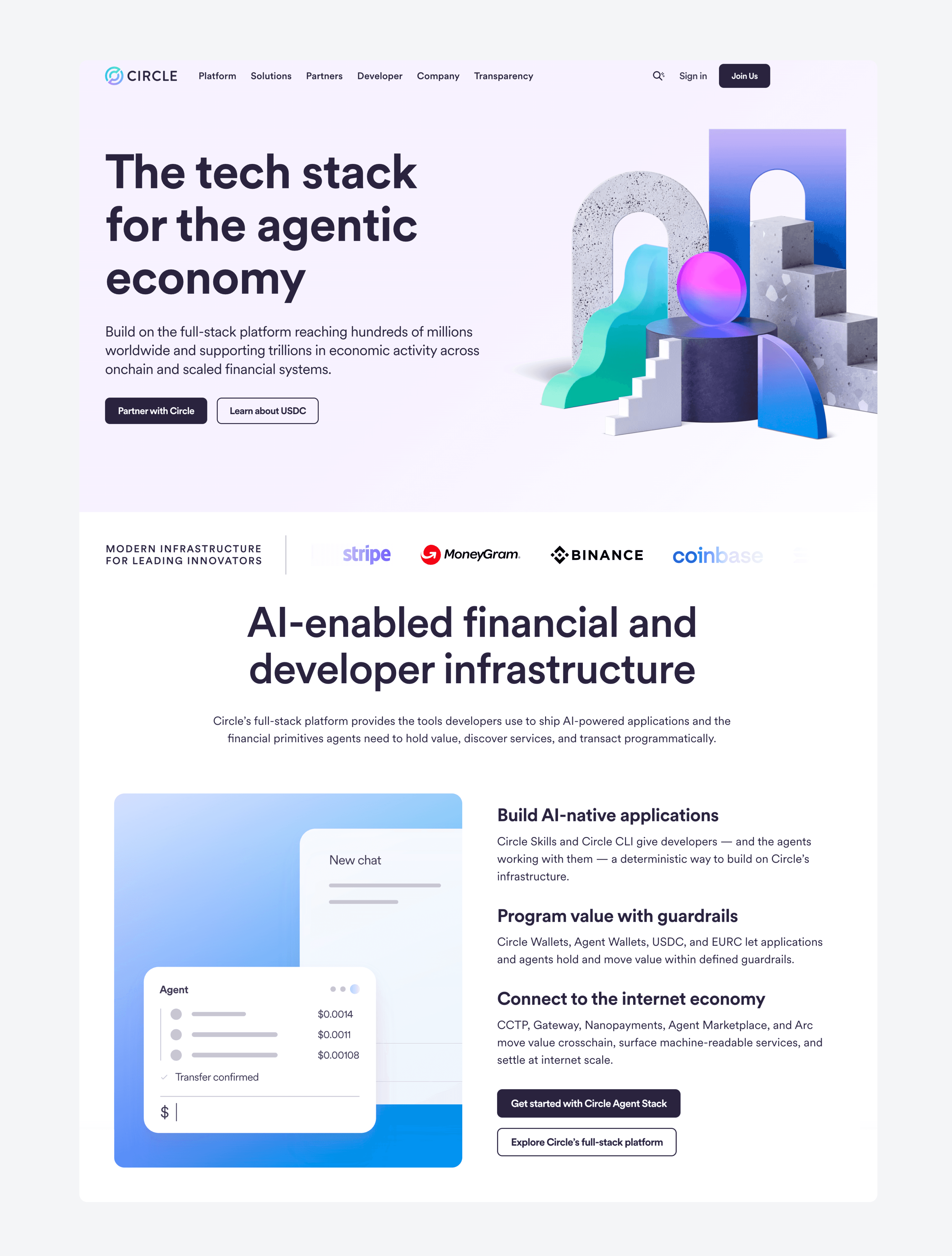
Circle is a US-based fintech company best known for issuing USD Coin (USDC), a widely used stablecoin designed to maintain a 1:1 value with the US dollar. Its core business focuses on enabling digital payments, settlements, and treasury operations using stablecoins, primarily for institutions and fintech platforms.
Circle’s operations fall under US money transmission and payment regulations. The company is registered with FinCEN and meets state-level licensing requirements where needed. Its stablecoin model is also part of evolving discussions around reserve transparency and payment oversight. As a result, Circle is closely tied to how regulators approach stablecoins.
The company differentiates itself through its focus on regulated digital dollar infrastructure. Rather than operating as a trading platform, Circle positions USDC as a payment and settlement layer for fintechs, institutions, and cross-border use cases, making it a key player in the integration of crypto with traditional financial systems.
Block (Square)
Block, the parent company of Square and Cash App, has incorporated crypto into its broader fintech ecosystem. Its products allow users to buy, sell, and hold Bitcoin, while also supporting merchant payments and financial services through its existing platforms.
From a regulatory perspective, Block operates within established US financial frameworks. Its services are subject to money transmission rules, AML requirements, and oversight tied to its payment and financial services activities. This reflects how crypto functionality can be integrated into an existing regulated fintech structure rather than built as a standalone platform.
The company differentiates itself through distribution and ecosystem integration. By embedding crypto into widely used consumer and merchant products, Block extends digital asset access through familiar financial tools rather than crypto-native interfaces.

PayPal Crypto
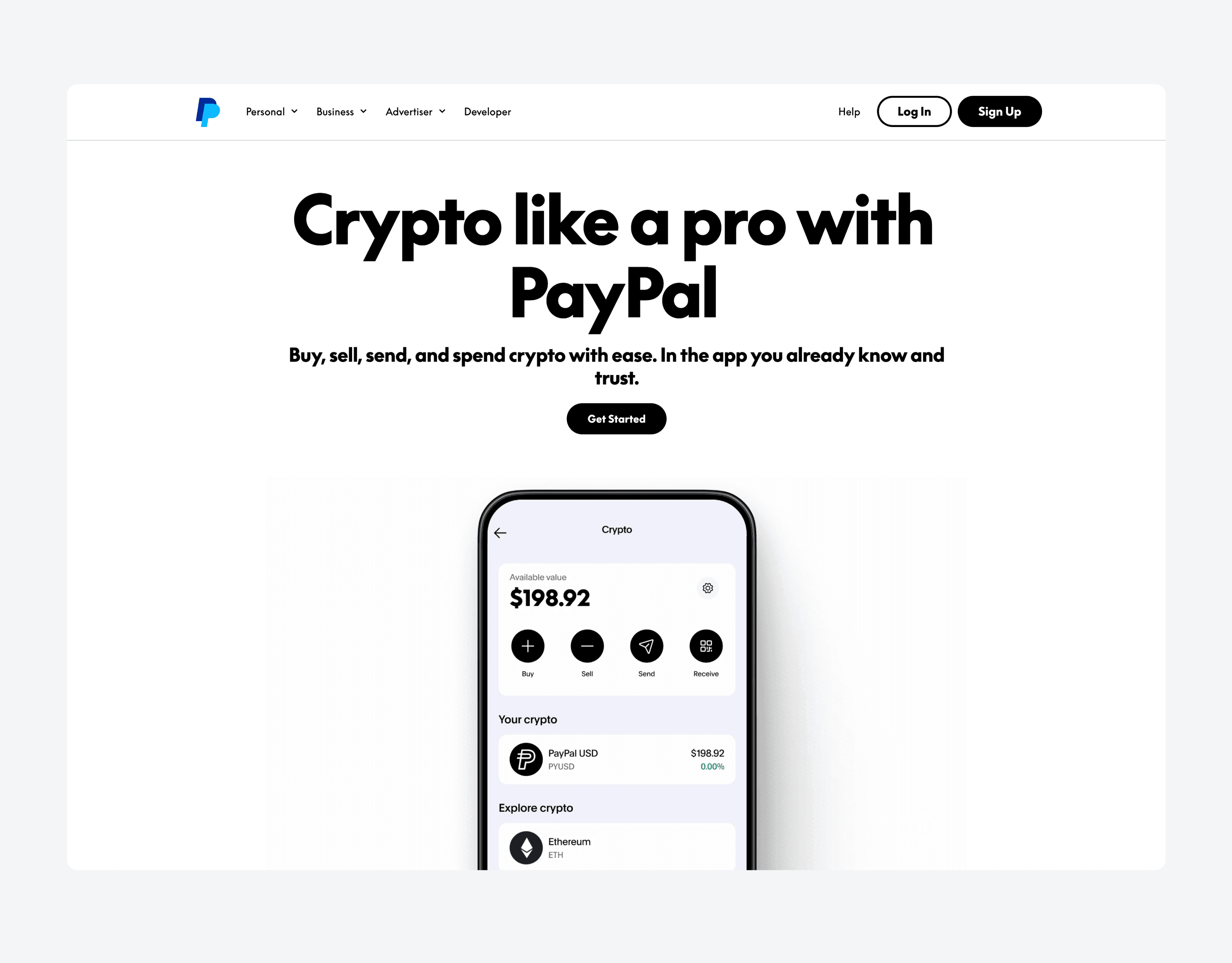
PayPal has incorporated crypto into its platform, allowing users to transact and hold digital assets within its existing payment system. These features sit alongside its wallet and merchant services.
The company operates under US financial services regulations, with crypto activities aligned to its existing compliance obligations. This reflects how payment providers are integrating digital assets into regulated frameworks.
The company differentiates itself through scale and distribution. By adding crypto functionality to an existing global payments platform, PayPal brings digital assets into a familiar financial environment used by both consumers and merchants.
See also:
Stripe
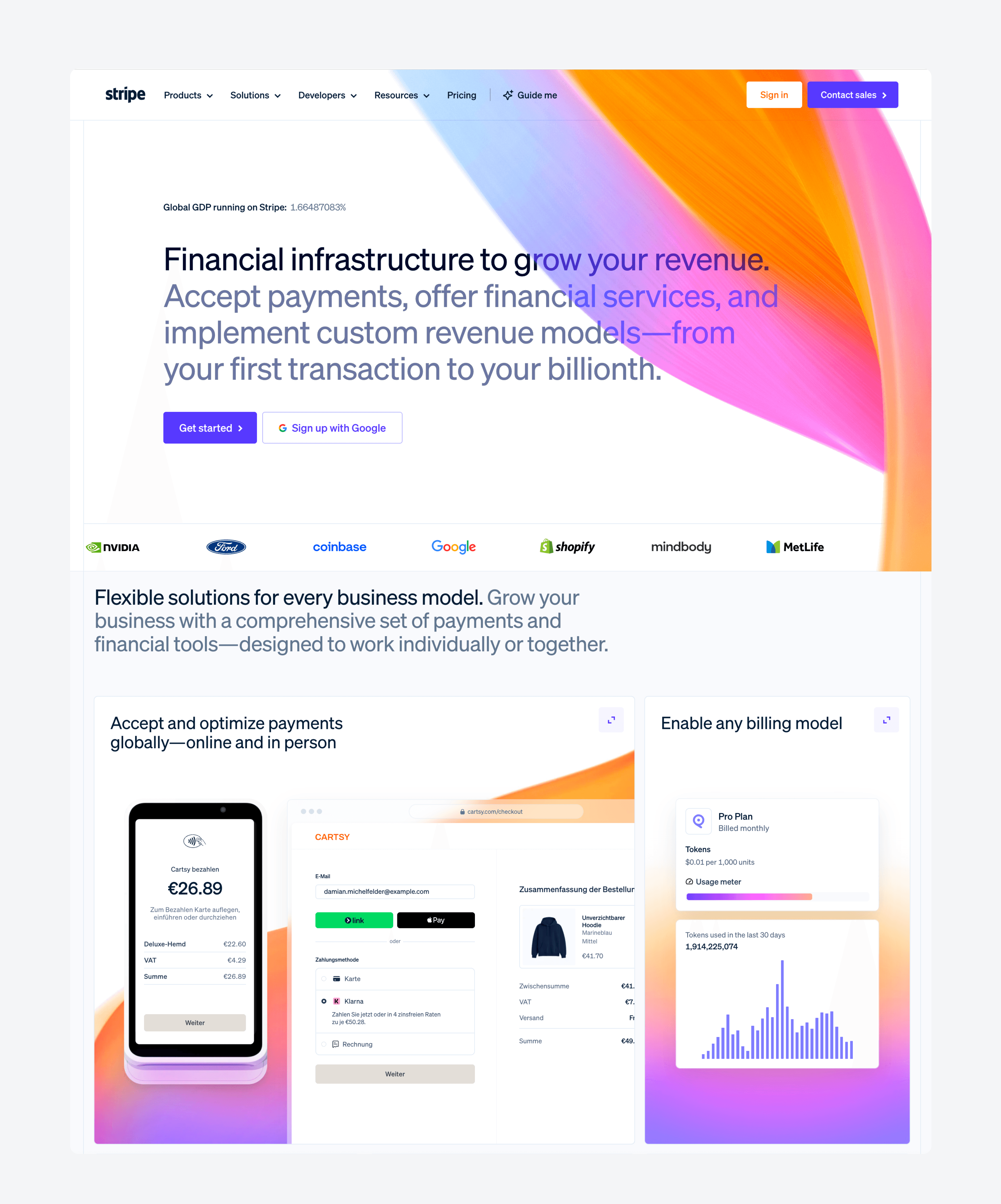
Stripe has expanded into crypto by offering infrastructure for payments, onramps, and Web3 integrations. Rather than acting as a trading platform, it provides tools that allow businesses to accept crypto, convert fiat to digital assets, and build blockchain-based applications.
From a regulatory perspective, Stripe operates within its existing payments and financial services frameworks. Its crypto-related products are structured alongside obligations such as money transmission rules, AML requirements, and payment processing regulations. This reflects how crypto functionality can be embedded into a regulated payments infrastructure without changing the core business model.
The company differentiates itself through its developer-first approach and integration capabilities. By offering APIs and tools that connect crypto with existing payment systems, Stripe enables fintechs and platforms to incorporate digital assets into their products without building infrastructure from scratch.
Top DeFi and Web3 Companies with US Presence
DeFi and Web3 companies work differently from centralized crypto firms. Instead of operating traditional platforms, they often build the protocols, apps, and marketplaces that run on blockchain networks.
From a regulatory standpoint, this part of the industry is harder to pin down. Many of these models do not fit neatly into existing licensing frameworks, but they can still raise important questions around securities laws, AML risk, and how users access the services.
Feature | Centralized Crypto Firms | DeFi / Web3 |
|---|---|---|
Structure | Company-operated | Protocol-based |
Access | Accounts | Wallets |
Control | Central entity | Smart contracts |
Regulation | Defined frameworks | Evolving / unclear |
The top DeFi and Web3 Companies in the US include:
Uniswap Labs
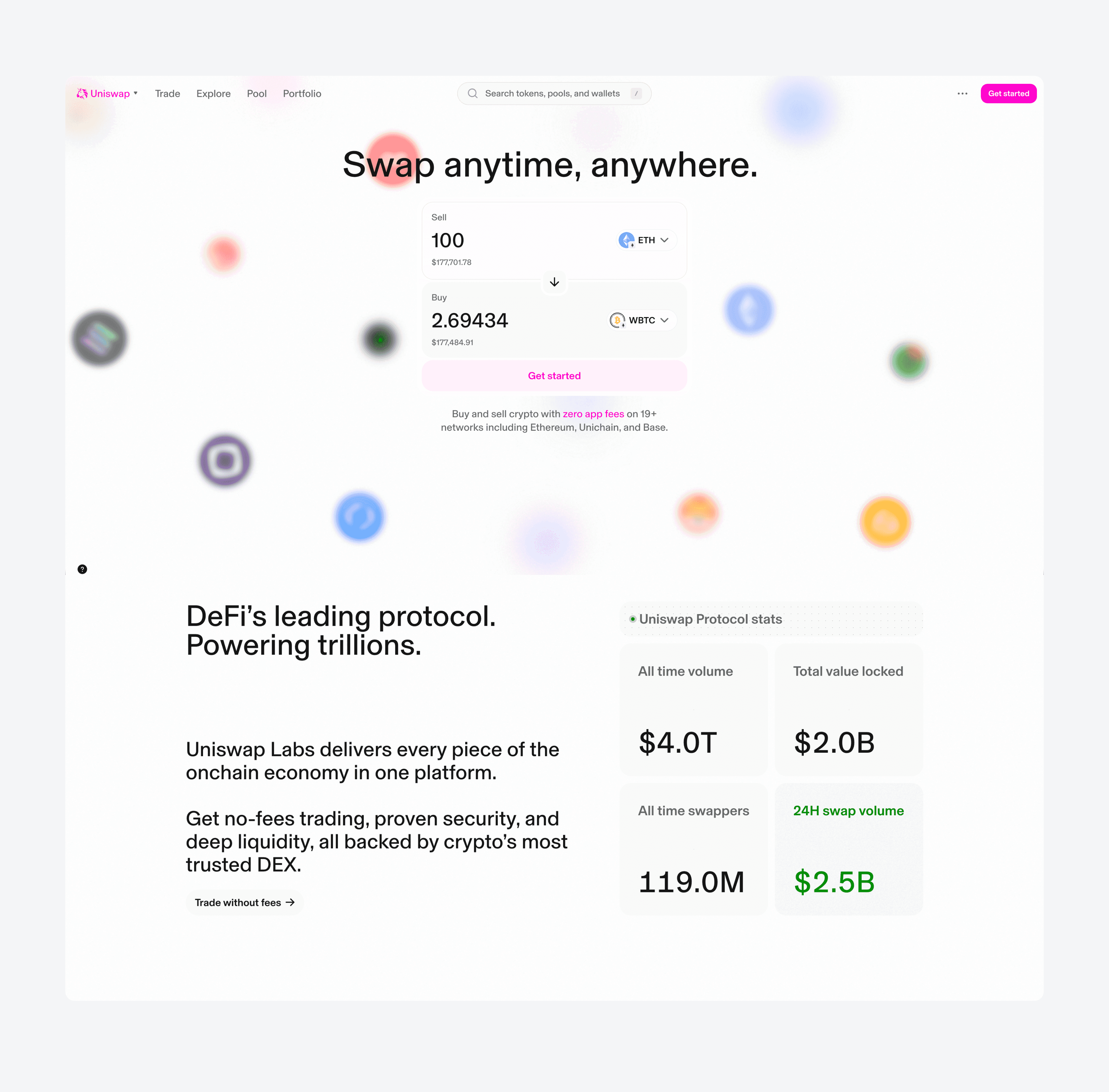
Uniswap Labs is the primary developer behind the Uniswap protocol, a decentralized exchange that allows users to trade digital assets directly through smart contracts. Instead of relying on a centralized order book, the protocol uses automated market-making mechanisms to facilitate trading on-chain.
From a regulatory standpoint, Uniswap Labs operates in an area that’s still taking shape. The protocol is decentralized, but the team behind it and the interfaces it maintains can still attract regulatory attention, especially around securities rules and user access. That line between the protocol itself and the people or companies supporting it is one of the central questions in DeFi regulation.
What sets Uniswap apart is its role in building a decentralized trading infrastructure. Instead of running a traditional exchange, Uniswap allows users to trade directly with one another without a central intermediary. That has made it one of the core building blocks of the DeFi ecosystem.
OpenSea
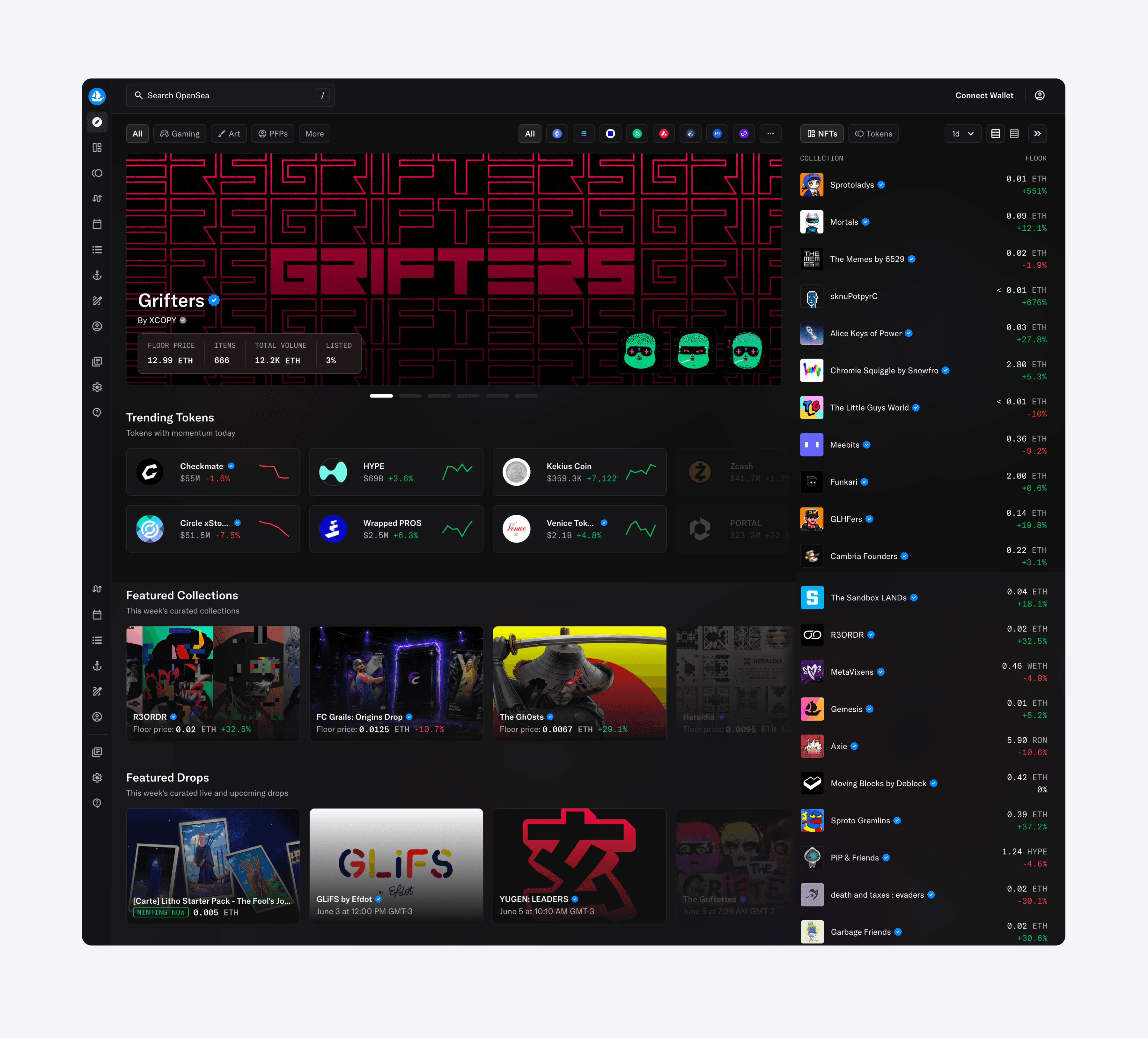
OpenSea operates as a marketplace for NFTs, enabling users to transact in digital assets like collectibles, art, and other tokenized items. Its role is to facilitate access to blockchain-based assets, not to act as a financial intermediary.
The regulatory picture for NFT platforms is still coming into focus. Depending on how the assets and transactions are structured, questions can come up around securities laws, intellectual property, and AML requirements. That puts OpenSea in the larger conversation about how digital asset marketplaces should be treated under US regulation.
The company differentiates itself through its role in NFT distribution and marketplace infrastructure. Rather than focusing on financial trading, OpenSea provides a platform for digital asset ownership and transfer, making it a central player in the NFT segment of the crypto ecosystem.

Alchemy
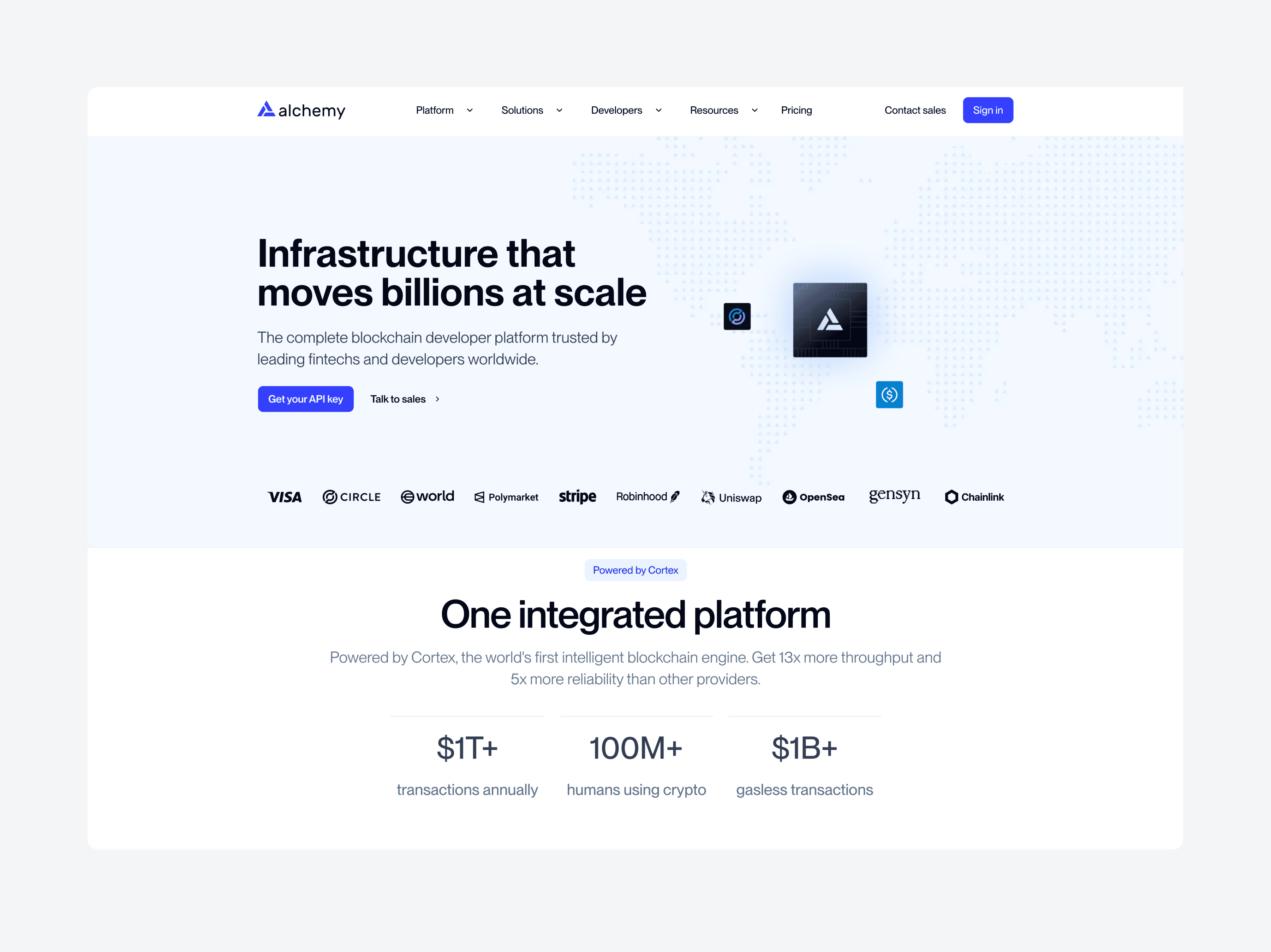
Alchemy is a US-based blockchain infrastructure provider that offers tools and APIs for building and scaling Web3 applications. Its platform supports developers with services such as node infrastructure, data indexing, and application monitoring across multiple blockchain networks.
From a regulatory standpoint, Alchemy operates in an area that is not directly subject to licensing, but still connects to compliance considerations. Its infrastructure can be used for applications involving financial activity, which brings in questions around AML exposure, data management, and how those applications are structured. This places Alchemy within broader discussions about infrastructure providers in regulated crypto environments.
What sets the company apart is its developer-focused infrastructure and scale. Rather than offering end-user products, Alchemy provides the underlying systems behind a wide range of Web3 applications, which makes it a key piece of the crypto development ecosystem.
Aave

Aave is a decentralized finance protocol that allows users to lend, borrow, and earn interest on digital assets through smart contracts. It operates without a centralized intermediary, relying instead on liquidity pools and automated mechanisms to manage lending and borrowing activity.
From a regulatory standpoint, Aave operates in an area that is still developing. The protocol is decentralized, but its lending functions can still raise questions around classification, as well as the application of securities laws, AML requirements, and access controls. This highlights the difficulty of applying existing rules to decentralized lending models.
The company differentiates itself through its role in decentralized lending infrastructure. Rather than acting as a traditional financial institution, Aave enables peer-to-protocol lending and borrowing, making it a key component of the DeFi credit market.
—
The top crypto companies in the US reflect a market that is still evolving, but increasingly structured. Each category serves a different function, from trading and custody to infrastructure, payments, and decentralized applications. Understanding these roles is key for fintechs evaluating partners, competitors, or new product opportunities.
Regulation remains a defining factor across all segments. Companies that scale in the US market tend to combine product development with a clear approach to compliance and operational structure. This is often what separates sustainable platforms from short-term growth stories.
For fintech founders and compliance teams, the takeaway is straightforward. Crypto is no longer a single category, but a set of interconnected services, each with its own regulatory and operational considerations. Evaluating companies through that lens leads to more informed decisions.

How Can InnReg Help?
InnReg is a global regulatory compliance and operations consulting team serving financial services companies since 2013.
We are especially effective at launching and scaling fintechs with innovative compliance strategies and delivering cost-effective managed services, assisted by proprietary regtech solutions.
If you need help with blockchain compliance, reach out to our regulatory experts today:
Related Articles


Featured LinkedIn Posts