SEC Regulation A: Filing Tiers, Limits, and Compliance Steps
Key Takeaways
Regulation A allows eligible companies to raise public capital without a traditional IPO.
Regulation A includes two tiers with different limits, reporting duties, and state law rules.
Tier 2 allows up to $75 million but requires audits and ongoing SEC reporting.
Form 1-A must be qualified by the SEC before securities can be sold.
Regulation A works best when fundraising goals match compliance capacity.
Regulation A is one of the most widely used securities offering exemptions available to private companies seeking growth capital in the United States. Often described as a "mini-IPO," Regulation A can provide access to a broader investor base than many other private offering exemptions.
At the same time, the framework comes with specific qualification requirements, disclosure obligations, offering limits, and ongoing compliance responsibilities that issuers must understand before launching an offering.
This guide explains how Regulation A works, the differences between Tier 1 and Tier 2 offerings, eligibility requirements, filing procedures, reporting obligations, and how Regulation A compares to alternatives such as Regulation D and Regulation Crowdfunding.
At InnReg, we work with companies pursuing Regulation A offerings on regulatory filings, compliance infrastructure, and operational readiness. Whether you're evaluating Tier 1 or Tier 2, contact us to learn more about InnReg's services.

What Is Regulation A?
Regulation A is an exemption under the Securities Act of 1933 that allows eligible companies to raise capital from the public without completing a traditional registered public offering. The framework was expanded under the JOBS Act and has become a popular capital-raising option for private companies seeking broader investor participation.
Unlike many private placement exemptions, Regulation A permits general solicitation and allows both accredited and non-accredited investors to participate, subject to certain conditions and limits.
The exemption is commonly used by:
Growth-stage private companies
Fintech and technology startups
Real estate investment platforms
Consumer brands raising capital from customers
Companies pursuing a public fundraising strategy without a full IPO
While Regulation A is often referred to as a "mini-IPO," issuers still face SEC review, disclosure requirements, offering documentation obligations, and, in some cases, ongoing reporting requirements.
How Regulation A Fits Within Securities Act Exemptions
The Securities Act generally requires companies offering securities to register those securities with the SEC unless an exemption applies.
Regulation A is one of several exemptions available to issuers, alongside frameworks such as Regulation D and Regulation Crowdfunding. Each exemption is designed for different fundraising objectives, investor groups, and compliance burdens.
Regulation A occupies a middle ground between private placements and full public offerings. It allows broader investor access than Regulation D while avoiding many of the costs and regulatory requirements associated with a traditional IPO.
Capital Raising Method | Public Investors Allowed | SEC Review | Ongoing Reporting |
|---|---|---|---|
IPO | Yes | Yes | Extensive |
Regulation A | Yes | Yes | Limited to Moderate |
Regulation D | Limited / depends on exemption | No | Minimal |
Regulation Crowdfunding | Yes | No | Limited |
When Companies Use Regulation A Instead of an IPO
Companies often consider Regulation A when they want to raise capital from a broad investor base but are not ready for the cost, complexity, or regulatory burden of becoming a fully reporting public company.
Common reasons issuers choose Regulation A include:
Raising growth capital from retail investors
Building a community of investor-customers
Testing public market interest before a future IPO
Expanding beyond accredited investor fundraising
Creating liquidity opportunities for existing shareholders
For many emerging companies, Regulation A can provide access to public capital markets while maintaining a lighter regulatory framework than a traditional public offering. The tradeoff is that issuers must still navigate SEC qualification, disclosure preparation, and ongoing compliance obligations.
Key Features of Regulation A
Regulation A is designed to give private companies access to public capital while operating under a regulatory framework that is generally less burdensome than a traditional IPO. Here are some of the most important features of Regulation A:
Public Capital Raising Without Full SEC Registration
One of the defining features of Regulation A is that issuers can raise capital from the general public without completing a full Securities Act registration process.
Unlike many private offerings, companies can publicly market their Regulation A offering through advertising campaigns, social media marketing, investor webinars, public websites, email campaigns, and media outreach.
This ability to broadly communicate with potential investors has made Regulation A particularly attractive for consumer-facing businesses and fintech companies seeking to build investor communities around their products.
That said, Regulation A offerings still require SEC qualification before securities can be sold, and all offering materials remain subject to securities law requirements.
Investor Eligibility and Participation
Regulation A allows participation from both accredited and non-accredited investors.
This is a significant distinction from certain Regulation D offerings, which often focus primarily on accredited investors. Depending on the offering tier, investors may include profiles that look like retail investors, customers and platform users, friends and family investors, accredited investors, or even institutional participants.
For many issuers, access to non-accredited investors substantially expands the potential investor pool compared to traditional private placement exemptions. However, Tier 2 offerings impose investment limits on certain non-accredited investors, which are discussed later in this guide.
Disclosure and Qualification Requirements
While Regulation A is less burdensome than a traditional IPO, it is not a simple filing exercise. Issuers must prepare detailed offering disclosures and submit Form 1-A to the SEC for review and qualification before sales can begin.
Required disclosures typically address:
Business operations
Management team
Risk factors
Use of proceeds
Capital structure
Financial statements
Related-party transactions
The SEC reviews these materials and may issue comments requiring revisions before qualifying the offering.
For founders unfamiliar with securities offerings, disclosure preparation often becomes one of the most time-consuming parts of the Regulation A process. Accurate drafting, financial reporting, and regulatory coordination can significantly affect both timeline expectations and overall offering costs.
Regulation A Filing Tiers Explained
Regulation A is divided into two offering categories: Tier 1 and Tier 2. Both tiers allow companies to raise capital from the public, but they differ significantly in fundraising limits, reporting obligations, state law requirements, and investor restrictions.
Choosing the appropriate tier is often one of the most important structural decisions an issuer makes during the planning process.
Tier 1 Under Regulation A
Tier 1 is generally designed for smaller offerings. It involves fewer ongoing reporting obligations than Tier 2 but requires compliance with state securities laws in the jurisdictions where securities are offered.
Offering Limits and Structure
Under Tier 1, issuers may raise up to $20 million during a 12-month period, including certain secondary sales by existing security holders.
The structure is commonly used by early-stage companies, regional businesses, smaller capital raises, and issuers targeting investors in a limited number of states. Because of the lower fundraising cap, Tier 1 is often less common than Tier 2 for larger growth-stage offerings.
State Blue Sky Compliance Requirements
A key characteristic of Tier 1 is that issuers generally must comply with applicable state securities registration and qualification requirements, often referred to as Blue Sky laws.
This may involve:
State notice filings
Filing fees
State regulator review
Additional disclosure requirements
For offerings conducted across multiple states, these requirements can significantly increase both cost and administrative complexity.
Reporting Obligations
Tier 1 issuers face relatively limited post-offering reporting requirements.
After completing the offering, companies generally file an exit report on Form 1-Z but are not subject to the extensive ongoing reporting framework applicable to Tier 2 issuers. This reduced reporting burden is one reason some smaller issuers continue to consider Tier 1 despite the state law requirements.
See also:
Tier 2 Under Regulation A
Tier 2 was introduced to facilitate larger offerings while reducing the challenges associated with multi-state securities compliance. Today, Tier 2 is the most commonly used Regulation A tier for growth-stage companies seeking significant capital raises.
Higher Capital Limits and Federal Preemption
Tier 2 permits issuers to raise up to $75 million during a 12-month period, making it substantially more flexible than Tier 1.
Another major advantage is federal preemption of many state Blue Sky registration requirements. As a result, issuers conducting nationwide offerings generally avoid separate state qualification reviews that would otherwise apply under Tier 1.
Audited Financial Statement Requirements
Unlike Tier 1 offerings, Tier 2 generally requires audited financial statements to be included in the offering materials. The audit must typically be performed by an independent public accountant in accordance with applicable SEC requirements.
For many private companies, audit preparation becomes one of the highest costs and timing considerations during the offering process.
Investment Limits for Non-Accredited Investors
Tier 2 allows participation by both accredited and non-accredited investors. However, non-accredited investors are generally subject to investment limitations.
In most cases, non-accredited investors may invest no more than 10% of the greater of their annual income or net worth. These limits are intended to provide additional investor protections while preserving broad access to Regulation A offerings.
Ongoing Reporting Obligations
Tier 2 issuers remain subject to ongoing SEC reporting requirements after qualification. Common filings include:
Companies considering Tier 2 should evaluate whether they have the internal resources, advisors, and operational infrastructure necessary to support these continuing obligations.

Need help with fintech compliance?
Fill out the form below and our experts will get back to you.
Core Differences Between Tier 1 and Tier 2
The table below highlights the primary distinctions between the two Regulation A tiers:
Requirement | Tier 1 | Tier 2 |
|---|---|---|
Maximum offering size | $20 million | $75 million |
State Blue Sky review | Generally required | Generally preempted |
Audited financial statements | Not generally required | Required |
Non-accredited investor limits | No federal limit | Subject to investment limits |
Ongoing SEC reporting | Limited | Required |
Typical use case | Smaller offerings | Larger national offerings |
For many issuers, the choice ultimately comes down to fundraising goals, budget, investor base, and long-term compliance considerations. While Tier 2 often provides greater fundraising flexibility, it also introduces additional reporting, audit, and operational obligations that should be evaluated early in the planning process.
Regulation A Offering Limits and Restrictions
While Regulation A provides greater fundraising flexibility than many private offering exemptions, issuers still face specific limits relating to offering size, investor participation, and secondary sales.
These restrictions vary depending on whether the issuer is conducting a Tier 1 or Tier 2 offering:
Offering Limits by Tier
The SEC establishes separate fundraising caps for each Regulation A tier.
Regulation A Tier | Maximum Offering Size (12-Month Period) |
|---|---|
Tier 1 | Up to $20 million |
Tier 2 | Up to $75 million |
These limits apply to the aggregate amount raised during a rolling 12-month period and may include both primary offerings by the issuer and certain secondary sales by existing security holders.
For companies evaluating Regulation A, the desired fundraising amount often becomes the starting point for determining which tier is appropriate.
Investor Caps and Eligibility Rules
One of Regulation A's key advantages is that both accredited and non-accredited investors can participate in offerings. However, investment restrictions differ between the two tiers.
Tier 1 generally does not impose federal investment limits on non-accredited investors, although state securities laws may still apply. Under Tier 2, non-accredited investors are typically limited to investing no more than 10% of the greater of their annual income or net worth.
Accredited investors are generally not subject to these limits. These restrictions are intended to balance broader public participation with investor protection considerations.
Secondary Sales and Resale Restrictions
Regulation A permits both primary capital raises and certain secondary sales by existing shareholders. However, secondary sales are subject to specific limitations, particularly for companies conducting their first Regulation A offering.
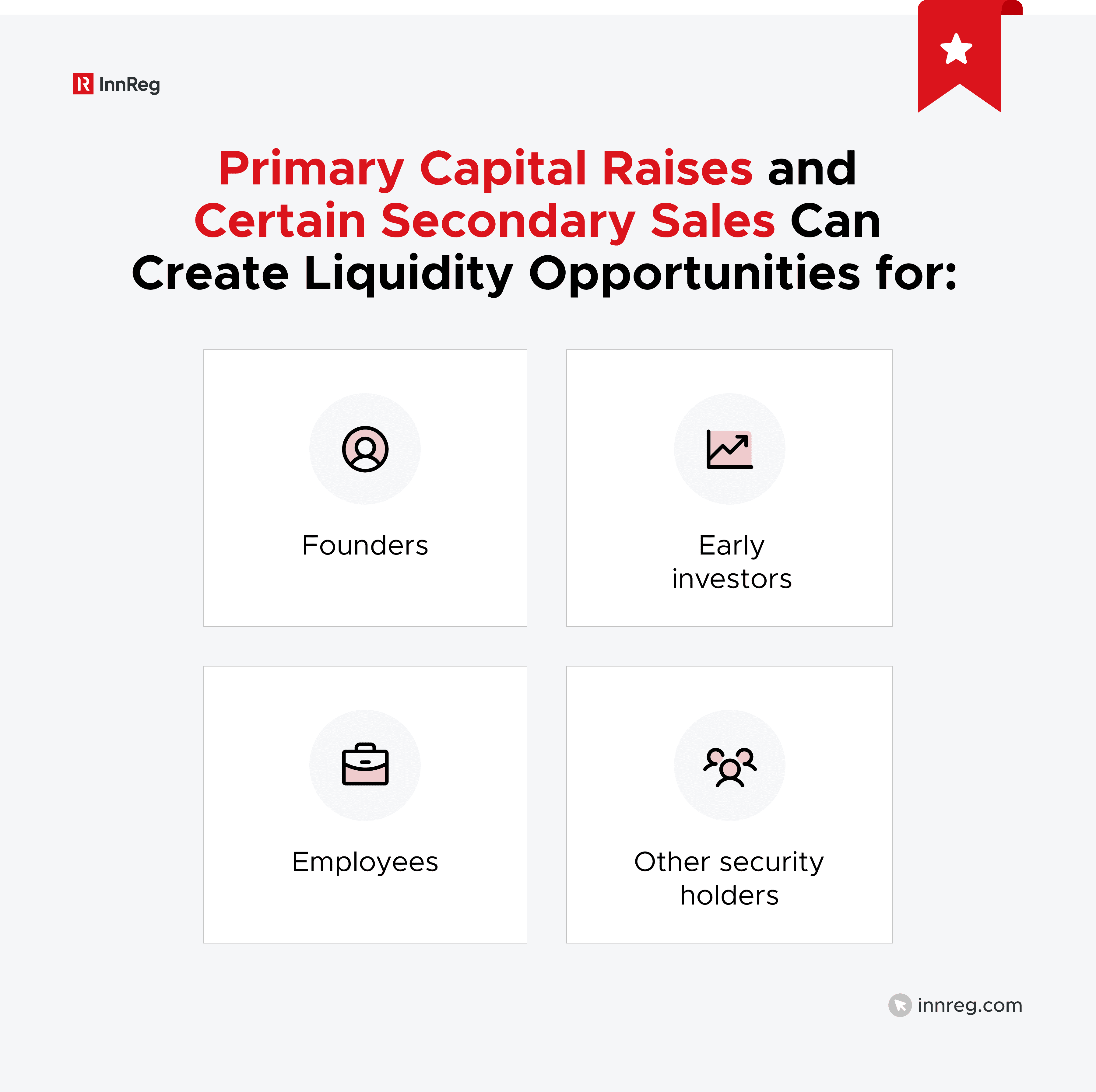
The SEC generally places restrictions on the percentage of securities that selling shareholders may include in an offering. These limitations are designed to maintain Regulation A's primary purpose as a capital-formation tool rather than a mechanism for large-scale shareholder exits.
Another important distinction is that securities sold in qualified Regulation A offerings are generally not "restricted securities" under federal securities laws. As a result, investors may have greater flexibility to resell their securities than purchasers in many private placement offerings.
That said, practical liquidity often depends on whether an active secondary market develops for the securities after the offering is completed. Many Regulation A issuers remain private companies, which can limit resale opportunities despite the absence of traditional restricted-security holding periods.
Who Can Use Regulation A?
The SEC imposes specific issuer eligibility requirements and excludes certain companies and individuals from using the exemption. Before investing time and resources into an offering, issuers should determine whether they qualify under the Regulation A framework:
Eligible Issuers
Regulation A is generally available to companies organized and operating in the United States or Canada. Eligible issuers commonly include:
Early-stage private companies
Growth-stage businesses
Fintech companies
Consumer brands
Real estate investment businesses
Operating companies seeking expansion capital
Both newly formed and established businesses may qualify, provided they meet the SEC's eligibility requirements and satisfy the disclosure obligations associated with the offering.
For many growth-stage companies, Regulation A serves as a bridge between private fundraising and traditional public market financing.
Ineligible Issuers and Disqualifications
Certain categories of issuers are prohibited from relying on Regulation A. Common ineligible issuers include:
Investment companies registered under the Investment Company Act
Blank check companies
Special purpose acquisition companies (SPACs) in certain circumstances
Companies with no specific business plan
Certain issuers that previously failed to satisfy Regulation A reporting obligations
The SEC generally limits Regulation A to operating businesses raising capital for legitimate commercial purposes.
Issuers should also evaluate their corporate structure, ownership arrangements, and regulatory history before proceeding with an offering.
Bad Actor Disqualification Rules
Regulation A includes "bad actor" disqualification provisions designed to prevent individuals and entities with serious securities law violations from participating in exempt offerings. These rules can apply to the issuer itself, as well as directors, executive officers, managing members, significant beneficial owners, promoters, and certain compensated solicitors involved in the offering.
Disqualifying events may include securities-related criminal convictions, SEC enforcement orders, court injunctions involving securities law violations, FINRA disciplinary actions, and certain regulatory bars or suspensions. If a covered person is subject to a disqualifying event, the issuer may be prohibited from relying on Regulation A unless an exception applies.
Because these rules require a fact-specific analysis, issuers often conduct bad actor diligence early in the offering process. Identifying potential issues before filing can help avoid delays during SEC review and qualification.
See also:
Regulation A Filing Process
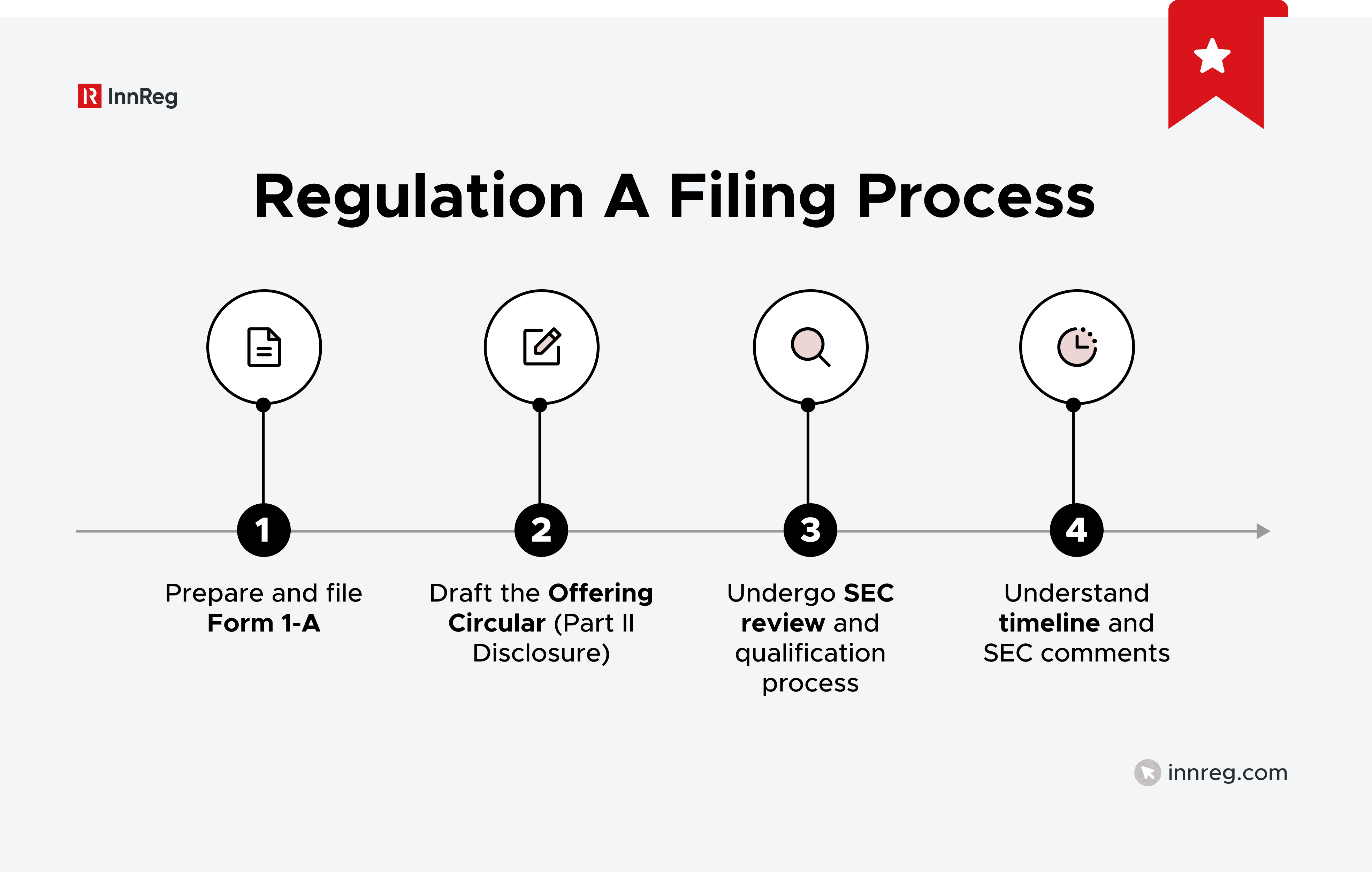
Launching a Regulation A offering involves substantially more than filing a form with the SEC. Issuers must prepare detailed disclosures, assemble financial information, coordinate legal and accounting reviews, and respond to SEC comments before the offering can be qualified.
Preparing and Filing Form 1-A
The Regulation A process begins with the preparation and submission of Form 1-A, which serves as the issuer's offering statement. Form 1-A consists of three primary parts:
Form 1-A Section | Purpose |
|---|---|
Part I | Basic issuer and offering information |
Part II | Offering circular and disclosure document |
Part III | Exhibits, contracts, and supporting materials |
The filing provides the SEC with detailed information about the company, its management team, the securities being offered, risk factors, financial condition, and intended use of proceeds.
Because the SEC reviews these disclosures closely, issuers often spend significant time gathering supporting documentation and validating information before submission.
Drafting the Offering Circular (Part II Disclosure)
Part II of Form 1-A contains the offering circular, which functions similarly to a prospectus in a registered offering.
The offering circular typically includes disclosures regarding:
The company's business operations
Management and ownership structure
Risk factors
Financial statements
Capitalization
Related-party transactions
Planned use of offering proceeds
The quality and completeness of the offering circular are often essential in determining how smoothly the SEC review process proceeds. Many SEC comments arise from unclear disclosures, insufficient risk factor discussions, or inconsistencies between sections of the filing.
For fintech companies, drafting offering disclosures can be particularly challenging when products involve digital assets, embedded finance, payments, or other regulated activities. At InnReg, we guide issuers in developing disclosure frameworks, coordinating compliance reviews, and aligning offering materials with the business's underlying regulatory structure.
SEC Review and Qualification Process
After Form 1-A is submitted, the SEC reviews the filing and may issue comments requesting revisions or additional disclosures.
Unlike a traditional registration statement, Regulation A offerings do not become effective the way a registered offering does. The SEC has to qualify the offering statement first.
The review process often involves:
Initial SEC review
Comment letter issuance
Issuer responses and amendments
Additional SEC review rounds, if necessary
Qualification of the offering statement
No securities may be sold until the SEC formally qualifies the offering.
Timeline and Common SEC Comments
The timing of a Regulation A offering varies significantly depending on the complexity of the business, the quality of the initial filing, and the nature of SEC comments.
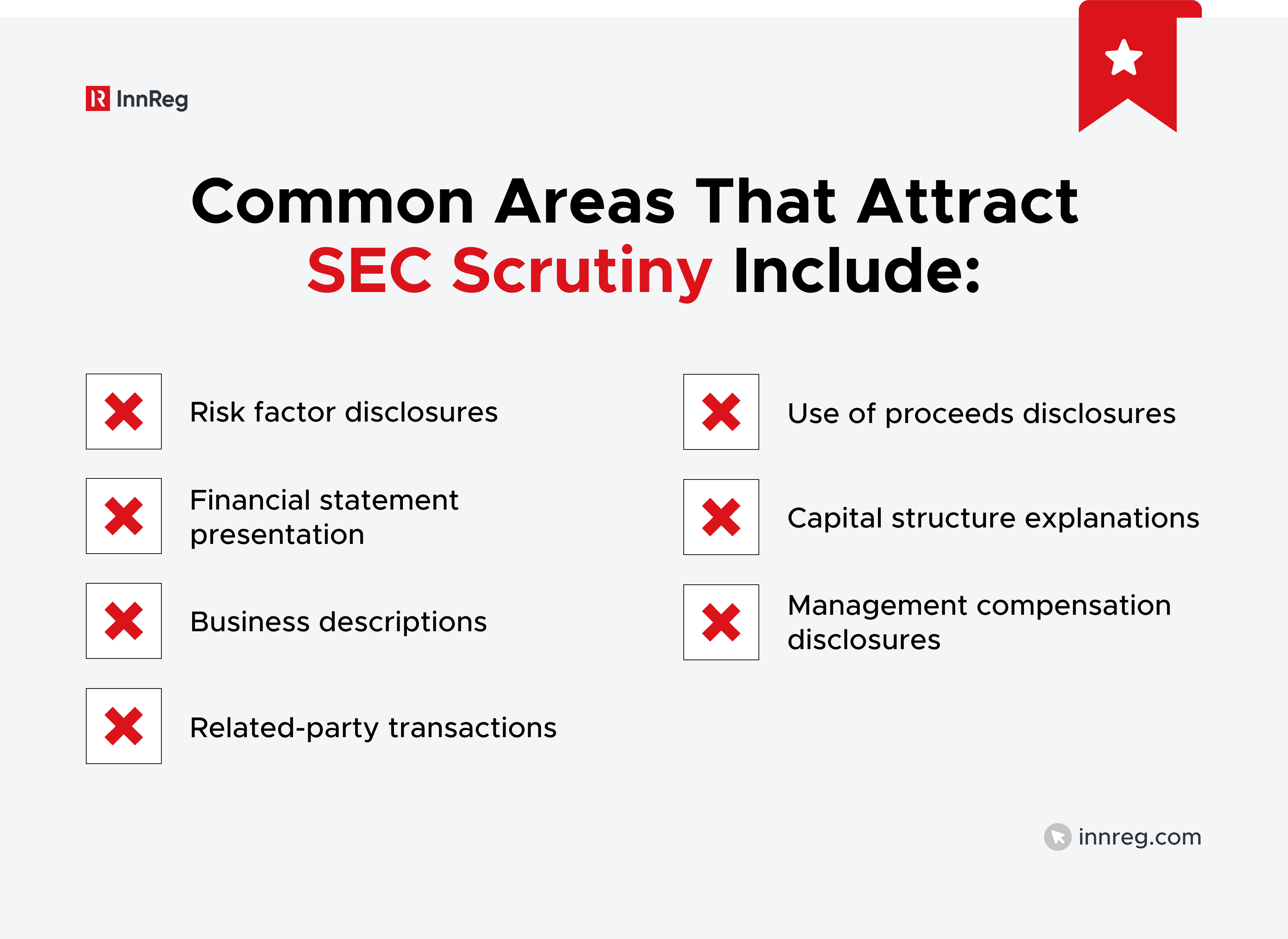
For straightforward offerings, qualification may occur within a few months. More complex offerings, particularly those involving fintech products, digital assets, novel business models, or complicated corporate structures, often require additional review cycles and longer timelines.
As a result, companies typically benefit from treating the filing process as a regulatory project rather than simply a fundraising exercise. Early coordination among legal, accounting, compliance, and management teams can cut down on avoidable delays during SEC review.
InnReg frequently works alongside companies preparing for securities offerings to organize compliance workstreams, regulatory documentation, internal controls, and operational readiness efforts before filings are submitted.
Ongoing Compliance Requirements Under Regulation A
Qualifying a Regulation A offering is not the end of the regulatory process. Depending on the offering tier, issuers may face continuing reporting, financial statement, and disclosure obligations after the offering is completed.
The scope of these obligations varies significantly between Tier 1 and Tier 2 offerings, making post-offering compliance an important consideration when selecting a fundraising structure:
Tier 1 Post-Offering Obligations
Tier 1 issuers generally face limited ongoing SEC reporting requirements after the offering concludes. In most cases, the primary obligation is filing an exit report on Form 1-Z after the offering has been completed or terminated.
Because Tier 1 does not impose a recurring reporting framework comparable to Tier 2, some smaller issuers view it as a less burdensome compliance option. However, companies must still comply with applicable securities laws, maintain accurate records, and satisfy any continuing obligations arising from state securities requirements.
Tier 2 Ongoing Reporting (Form 1-K, 1-SA, 1-U)
Tier 2 issuers are subject to an ongoing reporting regime designed to provide investors with continuing information about the company's operations and financial condition. The primary reporting obligations include:
Filing | Purpose |
|---|---|
Form 1-K | Annual report |
Form 1-SA | Semiannual report |
Form 1-U | Current report for specified material events |
These reports contain information relating to business operations, financial performance, management disclosures, material developments, and other matters that may be relevant to investors.
Tier 2 reporting obligations continue until the issuer becomes eligible to suspend or terminate reporting under applicable SEC rules.
Companies evaluating Tier 2 should consider whether they have the operational resources necessary to support recurring reporting requirements.
Financial Statement and Audit Requirements
Financial reporting remains one of the most significant compliance obligations under Regulation A. Tier 2 issuers must generally provide audited financial statements as part of the qualification process and continue furnishing financial information through their ongoing SEC reports.
This often requires coordination among management, legal counsel, accountants, auditors, and compliance personnel throughout the year.
For growing companies, the operational burden associated with audits, financial reporting, and disclosure controls can become a meaningful ongoing cost of maintaining a Tier 2 offering.
As a result, many issuers evaluate post-offering compliance obligations just as carefully as fundraising goals when deciding whether Regulation A is the appropriate exemption for their capital-raising strategy.
Regulation A vs. Other SEC Exemptions
Regulation A is only one of several securities offering exemptions available to private companies. Depending on the issuer's fundraising goals, investor base, timeline, and compliance resources, another exemption may be more appropriate.
For many founders, the decision often comes down to balancing capital-raising flexibility against regulatory complexity and ongoing reporting obligations:
See also:
Regulation A vs. Regulation D
Regulation D is the most commonly used private offering exemption in the United States. Unlike Regulation A, Regulation D offerings generally focus on accredited investors and do not require SEC qualification before securities are sold.
The tradeoff is that Regulation D typically provides more limited access to retail investors.
Feature | Regulation A | Regulation D |
|---|---|---|
SEC qualification required | Yes | No |
Non-accredited investors allowed | Yes | Limited or restricted |
General solicitation permitted | Yes | Certain offerings only |
Maximum raise amount | Up to $75 million | No federal cap under Rule 506 |
Ongoing reporting | Tier-dependent | Generally limited |
For companies seeking broad public participation, Regulation A may be more attractive. For issuers prioritizing speed and flexibility with accredited investors, Regulation D is often the preferred path.
Regulation A vs. Regulation Crowdfunding
Regulation Crowdfunding was designed to help smaller companies raise capital online from retail investors through registered crowdfunding portals.
Both exemptions allow participation by non-accredited investors, but the fundraising limits and regulatory frameworks differ significantly.
Feature | Regulation A | Regulation Crowdfunding |
|---|---|---|
Maximum raise amount | Up to $75 million | Lower annual fundraising cap |
SEC qualification required | Yes | Filing required but different review process |
Investor pool | Broad public participation | Broad public participation |
Ongoing reporting | Tier-dependent | Annual reporting requirements |
Typical issuer profile | Growth-stage companies | Early-stage and smaller businesses |
Regulation Crowdfunding is often used for smaller raises and community-driven fundraising efforts. Regulation A is generally better suited for companies seeking larger amounts of capital and a broader public offering strategy.
Ultimately, there is no universally "best" exemption. The right choice depends on the company's capital needs, target investors, compliance budget, growth plans, and willingness to manage ongoing regulatory obligations.
Costs and Practical Considerations
Regulation A can provide access to a broad investor base and significant fundraising capacity, but it is not a low-cost exemption. Companies should evaluate the legal, accounting, operational, and compliance commitments required before deciding to pursue an offering.
In many cases, the practical realities of executing and maintaining a Regulation A offering are just as important as the fundraising opportunity itself.
Legal, Accounting, and Filing Costs
The cost of a Regulation A offering varies based on the size and complexity of the transaction, the issuer's business model, and the chosen offering tier.
Common cost categories include:
Securities counsel fees
Accounting and audit expenses
SEC filing preparation
Financial statement preparation
Transfer agent services
Marketing and investor relations costs
Ongoing reporting and compliance expenses
Tier 2 offerings often involve higher upfront costs because of audit requirements and continuing reporting obligations. For fintech companies operating complex business models, additional legal and regulatory analysis may also increase preparation costs.
Legal and compliance are two different parts of your business. Learn the differences between compliance and legal functions with our detailed blog here →
Timeline Expectations
Regulation A offerings generally take longer to launch than many private placement offerings. The process typically includes a variety of steps from preparing offering disclosures to launching investor marketing efforts.
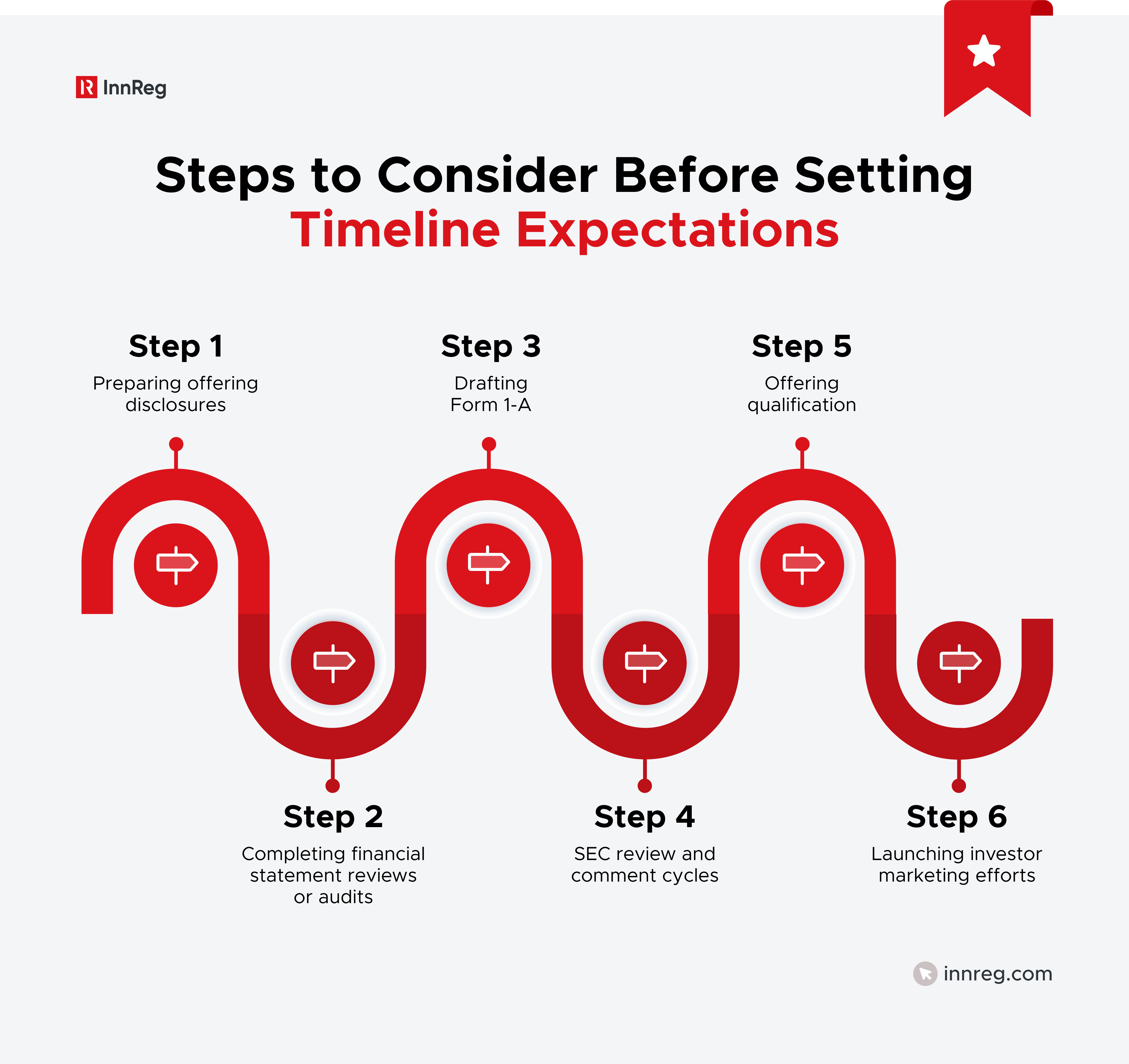
While timelines vary, companies should generally expect several months of preparation before securities can be sold. The SEC review process is often the largest variable. Complex business models, incomplete disclosures, or novel financial products may lead to additional comment rounds and longer review periods.
Operational and Compliance Burden
Many founders initially focus on fundraising goals without fully considering the ongoing operational obligations that accompany a Regulation A offering.
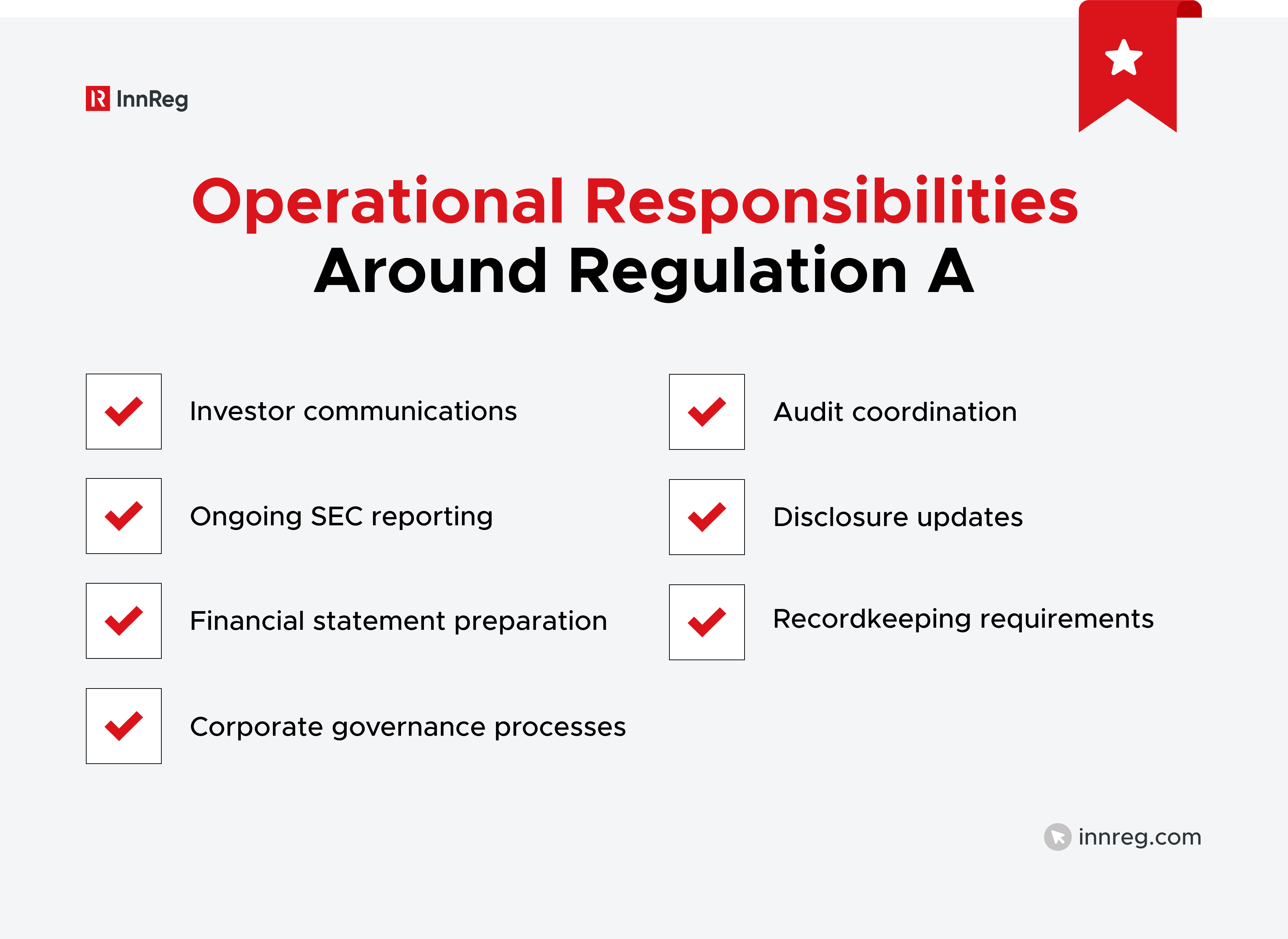
The compliance burden becomes particularly important for Tier 2 issuers, which remain subject to recurring reporting obligations after qualification.
These requirements rarely stay with legal. Finance, operations, investor relations, and executive management teams all end up carrying part of the load, usually without anyone planning for it. Before committing to Tier 2, figure out who inside the company owns each piece and where you’ll need outside support.”
Is Regulation A the Right Fit?
Regulation A can be a powerful capital-raising tool, but it is not the right solution for every company. The exemption sits between private placements and traditional public offerings, offering broader investor access than many private fundraising options while imposing greater disclosure and compliance obligations.
For some businesses, that tradeoff makes sense. For others, alternatives such as Regulation D or Regulation Crowdfunding may be more practical.
Regulation A is often worth evaluating if your company:
Wants to raise capital from both accredited and non-accredited investors
Needs a larger fundraising capacity than Regulation Crowdfunding provides
Is prepared to make public disclosures about its business and finances
Has the operational resources to manage SEC filings and investor communications
Is seeking a potential pathway toward broader capital markets participation
At the same time, companies should carefully assess the costs, timelines, reporting obligations, and internal resources required to support an offering.
Ultimately, the best exemption is the one that fits the company's business model, investor strategy, and compliance capabilities. A Regulation A offering can open the door to public capital raising without a traditional IPO, but it also introduces disclosure, reporting, governance, and compliance responsibilities that require careful planning. For fintechs and other regulated businesses, the analysis often extends beyond securities laws alone.
At InnReg, we help companies navigate complex regulatory frameworks, from offering strategy and regulatory filings to compliance program development and ongoing operational support.
Whether you're evaluating Regulation A, preparing a Form 1-A filing, or building the infrastructure needed to support a public offering, our team can map the regulatory requirements and operational considerations involved. Contact InnReg to learn more.

Tarik is a Principal Compliance Consultant at InnReg with over 5 years of experience advising fintech clients across broker-dealer, RIA, and money transmitter verticals. He holds FINRA Series 3, 7, 24, 57, 63, 79, and 99 licenses, with expertise in regulatory strategy, supervisory systems, and compliance roadmap implementation.
How Can InnReg Help?
InnReg is a global regulatory compliance and operations consulting team serving financial services companies since 2013.
We are especially effective at launching and scaling fintechs with innovative compliance strategies and delivering cost-effective managed services, assisted by proprietary regtech solutions.
If you need help with compliance, reach out to our regulatory experts today:
Related Articles




Featured LinkedIn Posts